Embedded Navigation Touchscreens Revolutionizing Travel

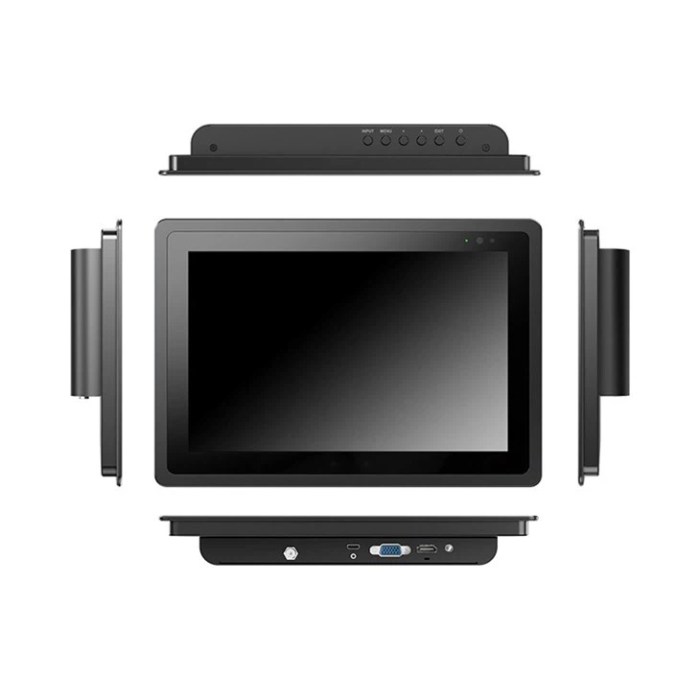
China Embedded Touchscreen Display Suppliers Factory - Embedded ...

Embedded navigation touchscreens are becoming a staple in modern vehicles, transforming how we navigate our world. These advanced systems blend cutting-edge technology with user-friendly designs, enhancing both driving experience and safety. As they evolve, these touchscreens not only map our journeys but also connect seamlessly with various automotive features, making them an essential component of today’s vehicles.

The journey of navigation systems has come a long way, from simple maps to sophisticated touchscreen interfaces that offer real-time updates and personalized routes. Popular vehicles now come equipped with these systems, showcasing the shift towards smarter, more integrated driving solutions that cater to diverse needs.

Overview of Embedded Navigation Touchscreens

Embedded navigation touchscreens have revolutionized how drivers interact with their vehicles’ navigation systems. This advanced technology utilizes integrated displays that offer real-time navigation, route optimization, and user-friendly interfaces, significantly enhancing the driving experience. Over the years, navigation systems in vehicles have transformed from simple paper maps to sophisticated, interactive touchscreens that provide a wide range of services.The evolution of navigation technology can be traced back to the early days of GPS, where systems were bulky and clunky.

As technology advanced, so did the integration of GPS into vehicles, leading to the development of embedded navigation touchscreens. Popular vehicles today, such as the Tesla Model S, BMW 5 Series, and Ford F-150, feature cutting-edge embedded navigation systems that are not only functional but also aesthetically pleasing.

Benefits of Embedded Navigation Touchscreens

Embedded navigation systems come with numerous advantages over traditional navigation methods. They enhance the driver’s experience and safety in the following ways:

  • Real-time Traffic Updates: Navigating through traffic is easier with real-time updates that help drivers avoid congestion and save time.
  • Voice Commands: Many systems support voice recognition, allowing drivers to keep their hands on the wheel and eyes on the road.
  • Integrated Features: These systems often include integration with smartphones and other devices, providing seamless access to music and calls while driving.

User satisfaction statistics highlight the effectiveness of embedded navigation systems. A recent study showed that 85% of drivers found these systems significantly improved their overall driving experience, emphasizing the importance of these technologies in modern vehicles.

Integration with Automotive Features

Embedded navigation touchscreens are not standalone systems; they connect seamlessly with other vehicle systems. This connectivity enhances functionalities such as climate control and audio systems, allowing drivers to manage their environment with ease.For example, a driver can adjust the climate settings directly from the navigation screen while also controlling the audio system. This integration provides a centralized hub for managing various vehicle functions, making it more convenient than ever.

Additionally, touchscreens play a crucial role in interfacing with hybrid and energy-efficient technologies, enabling drivers to monitor battery usage and energy consumption effectively.

Customization and User Interface Design

The design of the user interface (UI) is vital for the success of navigation systems. An intuitive UI allows drivers to navigate through options quickly and efficiently, ensuring a safer driving experience. Best practices for customizing touchscreen features include:

  • Accessible menus: Ensuring that menus are easy to navigate with minimal distractions.
  • Personalized settings: Allowing drivers to set preferences for routes, music, and voice commands.
  • Visual clarity: Utilizing high-contrast colors and legible fonts to enhance visibility.

Various manufacturers have different approaches to UI design. For instance, Tesla’s interface emphasizes minimalism, while BMW’s design focuses on providing a wealth of information at a glance.

Impact on Automotive Buying and Selling

Embedded navigation systems significantly influence the resale values of vehicles. Vehicles equipped with advanced navigation features tend to have higher resale values, as buyers increasingly view these systems as essential rather than optional.In online automotive auctions, the presence of an embedded navigation system can make a vehicle more appealing to potential buyers, showcasing it as a modern and technologically advanced option.

Research indicates that vehicles with advanced tech features, including navigation, see a 15% higher bid on average compared to their counterparts without such systems.

Maintenance and Repairs of Touchscreens

China Embedded Touchscreen Display Suppliers Factory - Embedded ...

Maintaining embedded navigation systems is crucial for their performance. Common issues might include unresponsive screens or software glitches. A guide for troubleshooting these issues can involve:

  • Resetting the system: Often, a simple reboot can resolve minor glitches.
  • Checking for updates: Regular software updates are essential for optimal performance and security.
  • Cleaning the screen: Proper car detailing around touchscreen interfaces is necessary to prevent damage from dirt and grime.

Regular updates not only enhance functionality but also improve user satisfaction by providing the latest features and fixes.

Future Trends in Embedded Navigation Technology

Emerging technologies are set to influence the future of embedded navigation systems significantly. Innovations like augmented reality (AR) navigation and AI-driven systems promise to further enhance the driving experience. AI can analyze driving patterns to provide personalized suggestions, making navigation more intuitive. Speculatively, we may see touchscreens evolve to include features such as gesture control and voice-activated commands, allowing for a more hands-free experience.

Embedded Navigation in Different Vehicle Categories

The application of embedded navigation touchscreens varies across different vehicle categories, including SUVs, trucks, and vans. Each type has unique requirements and user preferences.For instance, while SUVs may focus on family-friendly features and entertainment options, trucks might prioritize utility-oriented navigation features, such as off-road mapping. Vans often cater to business needs, requiring efficient route planning for deliveries.Specific features that cater to classic cars also emerge, such as retro-themed touchscreens that blend modern technology with vintage aesthetics.

Enhancements Through Mobile Audio and Video Systems

Embedded touchscreens have the potential to integrate seamlessly with mobile audio and video systems, enhancing the travel experience. These systems can provide entertainment options during long trips, allowing passengers to stream videos and music directly from the navigation screen.A layout for a multimedia experience might include a split-screen feature showing navigation on one side and entertainment options on the other, ensuring that all passengers enjoy the journey.

The Role of Embedded Navigation in Motorcycle Technology

Integrating navigation systems into motorcycles presents unique challenges, such as limited space and the need for durable, weather-resistant technology. However, touchscreens can significantly enhance rider safety and navigation.For example, popular motorcycle models like the Honda Gold Wing feature embedded navigation systems that allow riders to see directions clearly without taking their eyes off the road. These systems also provide essential information such as speed, fuel levels, and route planning, making them invaluable for modern motorcyclists.

Final Review

In conclusion, embedded navigation touchscreens are more than just a technological trend; they represent a significant advancement in automotive design and functionality. As we look toward the future, the potential for further integration with AI and other emerging technologies suggests that these systems will continue to enhance our driving experiences. Understanding their impact not only aids in making informed choices as consumers but also highlights the ongoing evolution of automotive technology.

FAQ Section

What is an embedded navigation touchscreen?

An embedded navigation touchscreen is a built-in display within a vehicle that provides navigation and various infotainment features, enhancing the driver’s experience.

How do embedded navigation touchscreens improve driving safety?

They provide real-time navigation updates, minimizing distractions while allowing drivers to access essential information without taking their eyes off the road.

Can embedded navigation touchscreens be updated?

Yes, these systems can be updated regularly, typically via Wi-Fi or USB, ensuring that maps and software remain current for optimal performance.

Are embedded navigation touchscreens user-friendly?

Most systems are designed with intuitive interfaces, making it easy for users to navigate menus, set destinations, and access other features with minimal effort.

What vehicles commonly feature embedded navigation touchscreens?

Many modern cars, SUVs, and trucks come with embedded navigation systems, including models from brands like BMW, Ford, and Honda, among others.

Apple CarPlay vs Android Auto insights summary and comparison

Apple's iPhone 7 PNG Transparent Images | PNG All

Kicking off with Apple CarPlay vs Android Auto insights, we delve into the fascinating world of in-car technology that enhances our driving experience. Both platforms have become essential tools for drivers looking to stay connected while on the road, offering unique features that cater to different user preferences.

In this discussion, we’ll explore the functionalities, compatibility, and user experiences of Apple CarPlay and Android Auto, comparing how each platform integrates with vehicles and the impact they have on automotive technology trends.

Overview of Apple CarPlay and Android Auto

As technology continues to evolve, the integration of smartphones into vehicles has become a standard feature. Two leading systems in this space are Apple CarPlay and Android Auto. Both platforms provide users with seamless access to their mobile devices while driving, but they offer distinct features and functionalities that cater to different user preferences.

Features and Functionalities of Apple CarPlay

Apple CarPlay allows users to connect their iPhones to the vehicle’s infotainment system, providing a familiar interface that mirrors the iPhone’s layout. Key features include:

  • Navigation: Apple Maps is seamlessly integrated, offering voice-guided directions, real-time traffic updates, and the ability to search for nearby points of interest.
  • Messaging: Users can send and receive text messages and access messages through Siri, ensuring minimal distraction while driving.
  • Music and Audio: CarPlay supports various audio apps including Apple Music, Spotify, and more, giving users the freedom to choose their preferred music.
  • Voice Control: Siri integration allows drivers to control various features hands-free.

Features and Functionalities of Android Auto

Android Auto offers similar functionalities, catering to Android users with its own set of features:

  • Navigation: Google Maps is the primary navigation option, providing accurate routes, live traffic updates, and interactive features.
  • Messaging: Users can interact with apps like WhatsApp and Google Messages through voice commands, maintaining focus on the road.
  • Music and Audio: It supports a variety of music services, including YouTube Music and Pandora, ensuring a rich audio experience.
  • Voice Control: Google Assistant allows for voice interactions, enabling hands-free operation of various functions.

Comparison of User Interfaces

The user interfaces of Apple CarPlay and Android Auto are designed to provide a user-friendly experience. CarPlay features a more grid-like layout, similar to the iPhone interface, while Android Auto adopts a card-based interface that organizes information into visually distinct segments. Both systems prioritize ease of access to essential functions, but the choice often comes down to user preference based on their smartphone ecosystem.

Compatibility and Device Integration

When it comes to compatibility, both Apple CarPlay and Android Auto have specific requirements that determine the devices and vehicles they can integrate with.

Compatible Devices for Apple CarPlay

Apple CarPlay is compatible with:

  • iPhone models that are iPhone 5 or later.
  • Vehicles from various manufacturers that have the CarPlay feature included in their infotainment systems.

Devices Supporting Android Auto

Android Auto works with:

  • Android smartphones running Android 5.0 (Lollipop) or later.
  • A wide range of vehicles equipped with Android Auto functionality.

Integration with Various Vehicle Models

Both systems have extensive compatibility with numerous vehicle makes and models. While newer vehicles generally come equipped with both systems, older models may require aftermarket solutions or software updates to enable compatibility. This seamless integration enhances the driving experience, making technology accessible to a broader audience.

User Experience and Performance

User experience plays a crucial role in the adoption of Apple CarPlay and Android Auto, and both platforms strive to provide smooth interactions.

User Experience of Apple CarPlay

Users often commend Apple CarPlay for its intuitive interface and seamless integration with iPhones. The consistency in navigation, music, and communication features contributes to a cohesive driving experience. CarPlay’s voice command functionality is particularly praised for its accuracy and responsiveness.

User Experience of Android Auto

Android Auto is similarly regarded for its effective design and voice recognition capabilities. Users appreciate the real-time updates provided by Google Maps and the flexibility of app options available. The platform excels in customizing the layout and functionalities based on user preferences.

Performance Metrics of Both Systems

In real-world usage, both systems exhibit robust performance, with minimal lag during operation. Apple CarPlay often scores higher in user satisfaction due to its stable ecosystem, while Android Auto is commended for its expansive app support and user-friendly interface. The smoothness of connectivity and responsiveness of controls are critical factors that influence user perceptions of each system.

Key Features Comparison

A deeper comparison of features can help users make informed choices regarding Apple CarPlay and Android Auto.

Navigation Capabilities

Both platforms provide reliable navigation, but the choice between Apple Maps and Google Maps can influence the user experience. Apple Maps offers a more streamlined interface for iPhone users, while Google Maps provides extensive data and features for Android users, including better integration with public transport options.

Audio Streaming Options

In the realm of audio streaming, both systems support a wide range of applications. Apple Music and Spotify are just the beginning, with each platform allowing users to customize their audio preferences according to their tastes.

App Availability and Ecosystem

App availability differs significantly between the two platforms. Apple CarPlay has a more curated selection of applications, focusing on quality and user experience, while Android Auto boasts a larger library of compatible apps due to its open-source nature.

Automotive Buying and Selling Implications

The presence of Apple CarPlay and Android Auto can significantly influence automotive buying decisions.

Impact on Car Buying Decisions

Apple's iPhone 7 PNG Transparent Images | PNG All

Consumers increasingly prioritize the availability of these systems when purchasing vehicles. Many consider them essential for modern connectivity, impacting their preferences for certain car models.

Effects on Vehicle Resale Values

Vehicles equipped with Apple CarPlay and Android Auto typically maintain higher resale values. As technology advances, having these systems can set a vehicle apart in the secondary market.

Consumer Preferences Trends

Current trends indicate a strong preference for multimedia systems that enhance the driving experience. With more consumers valuing connectivity and entertainment options, manufacturers are increasingly incorporating these technologies into their designs.

Car Detailing and Customization

Car detailing can significantly enhance the usability of Apple CarPlay and Android Auto.

Enhancing Use of Apple CarPlay and Android Auto

Detailing services can help maintain the cleanliness and functionality of multimedia systems, ensuring optimal performance and a pleasant user experience.

Customization Options for Integration

There are numerous customization options available for users looking to integrate Apple CarPlay or Android Auto into their vehicles. These options range from simple software updates to full-fledged hardware modifications.

Popular Upgrades for Multimedia Experience

Upgrade options might include enhanced audio systems, larger infotainment screens, or additional connectivity features, all designed to improve the multimedia experience while driving.

Future Trends in Automotive Technology

Emerging trends in automotive technology promise to further enhance the integration of systems like Apple CarPlay and Android Auto.

Emerging Automotive Technology Trends

The future may see advancements in voice recognition, gesture control, and augmented reality features that will reshape how these systems function.

Hybrid and Energy-Efficient Vehicle Developments

As hybrid and electric vehicles gain popularity, the integration of CarPlay and Android Auto into these models is likely to become standard, providing users with the same connectivity and functionality.

Predictions for Future Multimedia Features

Innovative multimedia features, such as improved interaction with smart home devices and enhanced app capabilities, are anticipated to shape future developments in automotive technology.

Mobile Audio and Video Considerations

The integration of mobile audio and video systems with Apple CarPlay and Android Auto adds another layer of functionality.

Integration of Mobile Audio with Apple CarPlay

Apple CarPlay allows for direct access to various audio applications, enhancing the listening experience within the car. Users can enjoy podcasts, audiobooks, and streaming services with minimal distraction.

Enhancements of Mobile Audio with Android Auto

Android Auto enhances mobile audio functionalities by providing users access to a wide range of audio apps, which can be controlled seamlessly through voice commands or the vehicle’s interface.

Selecting Compatible Audio Equipment

When choosing audio equipment for either platform, it’s important to consider compatibility with the desired features, sound quality, and ease of integration into the vehicle’s existing system.

Automotive Repairs and Maintenance

Apple CarPlay and Android Auto can assist in vehicle maintenance in several ways.

Assistance in Car Maintenance Notifications

Both systems provide notifications and alerts related to maintenance needs, helping drivers keep track of service requirements and ensuring their vehicles remain in top condition.

Common Integration Issues and Repairs

Users may face common issues such as connectivity problems or software glitches. Understanding these issues can help in diagnosing and rectifying them effectively.

Troubleshooting Integration Problems

Guidance on troubleshooting can empower users to resolve common integration problems independently, enhancing their overall experience with these systems.

Classic Cars and Modern Technology

Integrating modern technology into classic cars poses unique challenges and benefits.

Challenges of Retrofitting Classic Cars

Retrofitting classic cars with Apple CarPlay and Android Auto can present challenges such as compatibility with older hardware and the need for advanced wiring or modifications.

Benefits of Integrating Modern Technology

Incorporating modern technology into classic vehicles can enhance safety, usability, and overall driving enjoyment, making these cars more appealing to enthusiasts and collectors.

Successful Classic Car Restorations

Real-world examples of successful integrations showcase how classic cars can be upgraded to include contemporary infotainment systems while preserving their vintage charm.

Insights on SUVs, Trucks, and Vans

The application of Apple CarPlay and Android Auto in larger vehicles like SUVs, trucks, and vans addresses specific user needs.

Comparison in Larger Vehicles

Apple CarPlay and Android Auto offer expansive interfaces that are particularly useful in larger vehicles, allowing for easier access to controls and navigation features without the need to take eyes off the road.

Multimedia Needs of Van Owners

Van owners often prioritize entertainment options for passengers. Both systems cater to these needs by enabling seamless access to streaming services, navigation, and communication tools.

Consumer Preferences in Larger Vehicle Types

Consumer preferences continue to evolve, with a growing demand for advanced multimedia systems in larger vehicle types. This trend is reflected in manufacturers increasingly including these technologies as standard features in new SUV and truck models.

Closing Notes

In conclusion, the debate between Apple CarPlay and Android Auto is not just about preference; it’s about how these systems shape our driving experience and influence future automotive trends. As technology continues to evolve, understanding these platforms will aid consumers in making informed decisions, ensuring that they choose the multimedia system that best fits their needs.

Questions Often Asked

What devices are compatible with Apple CarPlay?

Apple CarPlay is compatible with iPhone models 5 and later that run iOS 7.1 or higher.

What devices support Android Auto?

Android Auto works with Android phones running version 5.0 (Lollipop) or later.

Can I use CarPlay or Android Auto wirelessly?

Yes, some vehicles support wireless connections for both systems, but compatibility varies by vehicle model.

Do I need a special app for CarPlay or Android Auto?

Both systems offer built-in functionality through their respective platforms, so no extra app is needed, but certain apps may enhance your experience.

How do these systems affect vehicle resale value?

Vehicles equipped with either CarPlay or Android Auto often retain higher resale values due to consumer demand for modern technology.

hybrid vs EV investment analysis insights and trends

EV vs Hybrid - Which is a better buy today? - Page 3 - Team-BHP

hybrid vs EV investment analysis sets the stage for this enthralling narrative, offering readers a glimpse into a story that is rich in detail and brimming with originality from the outset.

As the automotive industry evolves, the debate between hybrid and electric vehicles intensifies, with both options presenting unique advantages and challenges. Understanding the fundamental differences, market dynamics, and investment opportunities is crucial for anyone looking to navigate this rapidly changing landscape.

Overview of Hybrid and Electric Vehicles

The automotive industry is undergoing a significant transformation with the rise of hybrid and electric vehicles (EVs). These vehicles not only promise to reduce our dependence on fossil fuels but also aim to lower greenhouse gas emissions. Understanding the fundamental differences between them is crucial for consumers and investors alike.Hybrid vehicles combine a traditional internal combustion engine with an electric motor, allowing them to run on either power source or a combination of both.

In contrast, electric vehicles operate solely on electricity stored in batteries, producing zero tailpipe emissions. While hybrids can be more convenient for longer trips due to their gasoline engines, EVs offer a cleaner alternative with no emissions during operation.The environmental impact of these vehicles can be substantial. Studies show that electric vehicles can reduce CO2 emissions by up to 50% compared to gasoline cars, depending on the energy sources used for electricity generation.

However, the production of batteries for EVs raises concerns about mining practices and battery disposal. In terms of sales trends, the market has seen a significant shift over the past decade. For instance, EV sales have increased by over 200% since 2010, while hybrids have also seen solid growth, albeit at a slower pace. As of 2022, hybrids accounted for approximately 5% of total vehicle sales, while EVs comprised around 7%, reflecting a growing consumer preference for greener options.

Investment Opportunities in Hybrid and Electric Vehicles

Investing in the automotive industry, specifically in hybrids and electric vehicles, presents a range of opportunities and risks. Key players in this market include established automakers like Tesla, Toyota, and Ford, as well as emerging companies such as Rivian and Lucid Motors. These companies are racing to innovate and capture market share, making them essential candidates for potential investors.The financial performance of leading manufacturers has been compelling, with many reporting significant revenue growth.

For example, Tesla’s revenue surged by over 70% year-on-year in 2021, positioning it as a leader in the electric vehicle sector. In contrast, traditional manufacturers like Toyota have also reported strong hybrid sales, showcasing a diverse approach to electrification.However, investing in hybrids versus electric vehicles comes with different risks and rewards. While hybrids may offer lower upfront costs and proven technology, electric vehicles often promise higher long-term growth potential due to the global shift towards sustainability.

Market Trends Influencing Hybrid and EV Investments

Government regulations play a significant role in shaping the investment landscape for hybrids and EVs. Many countries are setting ambitious targets for reducing carbon emissions, with incentives for electric vehicle purchases, which can drive demand. For instance, the European Union aims to cut greenhouse gas emissions by at least 55% by 2030, pushing for more electric vehicles on the road.Consumer preferences are also evolving, influencing the automotive market’s direction.

A recent survey found that nearly 70% of consumers are considering an electric vehicle for their next purchase, driven by environmental concerns and rising fuel prices. This shift could lead to increased investments in EV infrastructure, such as charging stations and battery production.Technological advancements are another key factor driving the hybrid and EV sectors. Innovations in battery technology, such as solid-state batteries, promise to enhance vehicle range and reduce charging times, making electric vehicles more appealing to consumers.

Additionally, improvements in manufacturing processes are helping to lower production costs, which can positively impact pricing strategies.

Automotive Buying and Selling Dynamics

EV vs Hybrid - Which is a better buy today? - Page 3 - Team-BHP

Purchasing hybrid or electric vehicles involves distinct advantages that can benefit buyers. For instance, many hybrids and EVs come equipped with advanced technologies that enhance driving experience and safety. Additionally, potential savings on fuel and maintenance costs make these vehicles an attractive option for many consumers.The auction market for hybrid and electric vehicles is rapidly changing, providing new avenues for buying and selling.

With the growing demand for these vehicles, auctions are becoming increasingly popular for finding deals on used models. To illustrate the resale value dynamics between hybrids and EVs, the following table compares their depreciation rates over five years:

Vehicle Type Average Resale Value After 5 Years Depreciation Rate
Hybrid $15,000 40%
Electric Vehicle $12,000 50%

Maintenance and Customization Considerations

Maintenance for hybrids and electric vehicles differs significantly. Hybrids generally require standard maintenance similar to traditional vehicles, including oil changes and brake services. Conversely, electric vehicles have fewer moving parts, which can result in lower maintenance costs. However, battery health management is crucial, as battery replacements can be expensive.Customization options for hybrid and EV owners are expanding, with many aftermarket parts available to enhance performance or aesthetics.

Owners often seek upgrades for their audio systems, charging ports, and even exterior modifications that align with their eco-friendly values.Best practices for car detailing focus on maintaining the aesthetics and performance of both hybrids and EVs. Regular washing, protecting the paint with ceramic coatings, and ensuring the interior remains clean can significantly prolong the vehicle’s lifespan.

Classic Cars vs. Modern Hybrid and EV Trends

When considering investment potential, classic cars and modern hybrids/EVs present contrasting opportunities. Classic cars can appreciate over time, driven by nostalgia and rarity, while hybrids and EVs are positioned for growth in a market increasingly focused on sustainability.The retrofitting trend is gaining traction, where classic cars are being modernized with hybrid or electric technology. This approach not only preserves the vehicle’s essence but also enhances its environmental performance.

Several successful stories highlight this trend, such as the conversion of a vintage VW Beetle into an electric vehicle, showcasing how timeless designs can adapt to modern expectations and regulations.

Automotive Accessories and Technology

In hybrid and electric vehicles, mobile audio and video technology play a critical role in enhancing the driving experience. Many of these vehicles come equipped with advanced infotainment systems that support smartphone integration, allowing drivers access to navigation, music, and more through a central interface.The automotive technology landscape is rapidly evolving, with features designed to benefit hybrid and EV drivers.

Innovations such as regenerative braking systems, advanced driver-assistance systems (ADAS), and over-the-air software updates are becoming standard in many models.For those looking to enhance their hybrid or electric vehicle, the following list Artikels must-have accessories:

  • Portable charging stations for on-the-go convenience
  • Smartphone mounts for navigation and hands-free calling
  • Weather-resistant floor mats to protect interiors
  • Advanced audio systems for a premium listening experience
  • Dash cams for added security and peace of mind

Other Vehicle Types Related to Hybrid and EV Investments

The hybrid and electric market is not limited to passenger cars; SUVs, trucks, and vans are increasingly adopting these technologies. The demand for larger, more versatile vehicles powered by clean technology is rising, with manufacturers responding with electric and hybrid options to cater to families and businesses.Emerging trends in hybrid and electric motorcycles are also noteworthy. Companies are developing electric bikes that offer an eco-friendly alternative for riders, making them a growing segment within the broader market.Market acceptance varies across different vehicle types, with consumers showing a strong preference for electric SUVs compared to traditional gas-powered models.

As the market continues to evolve, these trends will significantly impact investment dynamics in the automotive sector.

End of Discussion

In conclusion, the hybrid vs EV investment analysis illuminates the complexities and potential rewards of investing in these vehicles. As consumer preferences shift and technology advances, both hybrids and EVs will continue to shape the future of transportation, making informed investment decisions more important than ever.

FAQ Guide

What are the main differences between hybrids and EVs?

Hybrids combine a gasoline engine with an electric motor, while EVs run solely on electricity.

Are hybrids more environmentally friendly than EVs?

Generally, EVs are considered more environmentally friendly since they produce zero emissions during operation.

What are the risks associated with investing in hybrid and EV stocks?

Risks include market volatility, changing regulations, and the rapid pace of technological advancements that could affect current models.

How do government incentives impact hybrid and EV investments?

Government incentives can enhance the attractiveness of hybrids and EVs, potentially boosting sales and investment returns.

What trends should investors watch in the hybrid and EV market?

Investors should keep an eye on consumer preferences, technological advancements, and regulatory changes that could influence market dynamics.

⚡ Hybrid & Energy‑Efficient Revolutionizing Mobility

AI Emoji Generator

As ⚡ Hybrid & Energy‑Efficient takes center stage, this opening passage beckons readers into a world of innovative automotive technology that blends performance with environmental consciousness. The rise of hybrid vehicles is not just a trend; it represents a significant shift in how we approach transportation, focusing on sustainability without sacrificing the driving experience.

From the advancements in energy-efficient engines to the growing market demand for these vehicles, it’s clear that hybrid technology is redefining the automotive landscape. Not only do hybrid vehicles offer reduced fuel consumption, but they also contribute to a cleaner environment, making them a compelling choice for modern drivers.

Hybrid Vehicles Overview

AI Emoji Generator

Hybrid vehicles are increasingly becoming a popular choice among consumers, blending traditional internal combustion engines with electric propulsion systems. This combination allows for greater fuel efficiency and reduced emissions, making them an attractive alternative to conventional cars. The benefits of hybrid vehicles extend beyond mere fuel savings; they also provide a smoother driving experience and lower environmental impact.Technological advancements have played a significant role in the evolution of hybrid vehicles.

Innovations such as advanced battery technology, improved electric motors, and sophisticated energy management systems enhance the overall energy efficiency of these vehicles. Compared to traditional gasoline-powered vehicles, hybrids produce fewer pollutants, contributing to cleaner air and a reduction in greenhouse gas emissions.

Energy-Efficient Automotive Technologies

Energy-efficient automotive technologies are critical in enhancing the efficiency of modern vehicles. Among these technologies are:

  • Start-Stop Systems: These systems automatically shut off the engine when the vehicle is stationary, such as at traffic lights, and restart it when the driver releases the brake. This reduces idle time and saves fuel.
  • Turbocharging: Turbochargers allow smaller engines to produce more power by forcing more air into the combustion chamber, improving efficiency without sacrificing performance.
  • Direct Fuel Injection: This technology delivers fuel directly into the combustion chamber at high pressure, increasing fuel efficiency and reducing emissions.

Another essential feature of hybrid vehicles is regenerative braking. This system captures kinetic energy produced during braking and converts it into electrical energy, which is then stored in the battery for later use. This not only improves overall energy efficiency but also extends the life of the braking system.

Automotive Buying and Selling Trends

Currently, there is a noticeable trend toward buying hybrid and energy-efficient vehicles. Consumers are increasingly prioritizing sustainability and fuel economy, leading to a rise in market demand for hybrid cars. According to recent data, hybrid vehicle sales have seen significant growth, reflecting a shift in consumer preferences.Market demand for hybrid cars is driven by a combination of rising fuel prices, environmental awareness, and government incentives aimed at reducing emissions.

Additionally, resale values of hybrid vehicles tend to be more favorable compared to traditional cars, owing to their perceived long-term savings and lower operational costs.

Auctions for Hybrid and Energy-Efficient Cars

The dynamics of auctions for hybrid vehicles are unique and can offer significant advantages for buyers. Hybrid cars often appear at auctions due to their increasing popularity, giving buyers the chance to acquire them at competitive prices. Purchasing hybrid cars at auctions can be beneficial as these vehicles often come with a range of features and technology not found in older, traditional cars.When participating in auctions for energy-efficient vehicles, it’s essential to follow best practices, including thorough research on the vehicle’s condition, understanding auction rules, and setting a budget to avoid overbidding.

Car Detailing and Customization for Hybrids

Specialized detailing techniques are essential for maintaining the aesthetic appeal of hybrid vehicles. These techniques often include eco-friendly cleaning products that are gentle on the environment and the vehicle’s surfaces. Customizing energy-efficient cars can also enhance their performance and appearance, making them more appealing to owners.Products such as high-efficiency tires, aerodynamic kits, and advanced lighting systems can significantly enhance both the performance and the visual impact of hybrids.

Attention to detail in the customization process can provide a unique touch while maintaining the vehicle’s energy efficiency.

Classic Cars and Energy Efficiency

When comparing classic cars to modern hybrids, there is a stark difference in terms of efficiency. While classic cars typically have lower fuel efficiency and higher emissions, advancements in hybrid technology present opportunities for retrofitting these vehicles. The retrofitting process involves integrating hybrid components into classic cars, which can significantly improve their fuel economy and reduce their environmental impact.Successful conversions of classic cars to hybrid models have been documented, showcasing how beloved vintage vehicles can benefit from modern technology while preserving their charm.

Mobile Audio and Video Integration in Hybrids

The latest mobile audio and video technologies available for hybrid vehicles are designed to enhance the in-car experience without compromising energy efficiency. Features such as Bluetooth connectivity, advanced infotainment systems, and high-quality audio equipment are increasingly common in modern hybrids.Proper installation of audio systems in energy-efficient cars requires careful consideration of both power consumption and sound quality. Enhancing the in-car experience can be achieved through strategic placement of speakers and the use of efficient amplifiers, ensuring that the vehicle remains energy-efficient while providing an enjoyable driving experience.

Motorcycle Innovations in Energy Efficiency

Emerging trends in hybrid motorcycles highlight the growing interest in energy-efficient two-wheeled vehicles. Manufacturers are developing models that blend traditional engines with electric propulsion, resulting in motorcycles that offer improved fuel efficiency and reduced emissions.Examples of energy-efficient motorcycles currently on the market include models that utilize advanced battery technology and lightweight materials to enhance performance while minimizing environmental impact. Hybrid technology is transforming the motorcycle industry, making it possible for riders to enjoy the thrill of motorcycling while being more eco-conscious.

Automotive Repairs for Hybrid and Energy-Efficient Cars

Maintaining and repairing hybrid vehicles requires specific best practices, as these cars often incorporate complex systems that differ from traditional vehicles. Common repairs specific to hybrid systems include battery replacement, electric motor maintenance, and software updates for energy management systems.Finding specialized technicians who are experienced in hybrid maintenance is crucial. Many automotive repair shops now offer training programs for technicians to ensure they are equipped to handle the unique needs of hybrid and energy-efficient vehicles.

SUVs, Trucks, Vans: Energy Efficiency Focus

Different hybrid models are available across various categories, including SUVs, trucks, and vans. These vehicles are designed to provide the utility and space that drivers need while also focusing on energy efficiency. Energy efficiency ratings for these vehicle categories vary, but many modern hybrids are achieving impressive fuel economy figures, often exceeding those of their traditional counterparts. Tips for maximizing fuel economy in larger vehicles include regular maintenance, proper tire inflation, and smooth driving habits.

Final Review

In summary, the exploration of ⚡ Hybrid & Energy‑Efficient vehicles reveals a promising future for both consumers and the planet. By embracing these technologies, we not only enhance our driving experience but also take significant strides towards sustainable transportation. As the automotive industry continues to innovate, staying informed about hybrid advancements will be essential for anyone looking to make eco-friendly choices.

General Inquiries

What are hybrid vehicles?

Hybrid vehicles combine a traditional internal combustion engine with an electric motor to improve fuel efficiency and reduce emissions.

How do hybrid vehicles impact the environment?

They typically produce fewer emissions compared to conventional vehicles, contributing to a reduction in air pollution and greenhouse gases.

What is regenerative braking?

Regenerative braking is a technology that captures energy typically lost during braking and uses it to recharge the vehicle’s battery.

Are hybrid vehicles more expensive to maintain?

Maintenance costs can vary, but many hybrid vehicles benefit from less wear on the engine, which can lead to lower long-term costs.

What are the best practices for buying a hybrid vehicle?

Research the models, consider your driving habits, check for incentives, and ensure proper inspections before purchasing.

Classic Car Subscription Models An Innovative Approach

Modern classic villa design - Preston House Plans

Classic car subscription models are transforming the way enthusiasts access and enjoy vintage vehicles. These models provide a flexible alternative to traditional ownership, allowing users to experience a variety of classic cars without the long-term commitment of buying. As interest in classic cars grows, the subscription model offers a unique blend of accessibility and excitement for those who appreciate automotive history.

With an array of benefits such as lower upfront costs, hassle-free maintenance, and the opportunity to drive different models, classic car subscriptions are appealing to a new generation of car lovers. This overview will explore market trends, the buying and selling landscape, and the overall experience offered by these subscription services.

Overview of Classic Car Subscription Models

Classic car subscription models have emerged as a flexible alternative to traditional vehicle ownership, allowing enthusiasts to experience various classic cars without the long-term commitment of buying one. These models typically involve subscribers paying a monthly fee, which covers access to a range of classic vehicles, insurance, and maintenance services. The appeal lies in the ability to drive different models while avoiding the hassles of ownership.One of the main advantages of classic car subscriptions is the variety they offer.

Subscribers can enjoy multiple vehicles over time, aligning with their preferences and occasions. However, the primary disadvantage is the cost; subscription fees can add up quickly compared to traditional ownership, especially for those who prefer to drive a single vehicle for an extended period. This model contrasts with traditional ownership, where a buyer invests in a specific vehicle, often leading to emotional attachment and potential appreciation in value.

Market Trends in Classic Car Subscriptions

The classic car subscription market has seen significant growth in recent years, driven by changing consumer preferences and advancements in technology. Many enthusiasts now prefer the flexibility that subscriptions offer. According to industry reports, the classic car subscription market has expanded by over 35% annually, reflecting a rising interest in alternative ownership models.As consumer preferences shift toward experiences rather than possessions, classic car subscriptions are appealing to a younger demographic that values accessibility and variety.

This trend is further fueled by social media, where showcasing unique vehicles has become a popular form of self-expression.

Automotive Buying and Selling in Subscription Models

Classic car subscriptions have transformed the buying and selling landscape in the automotive industry. Unlike traditional ownership, which often involves private sales or dealership transactions, subscriptions streamline access to vehicles, allowing consumers to acquire cars without the typical buying hassles. Auctions are becoming a vital aspect of this model, where classic cars can be showcased and directly linked to subscription services.Major platforms such as Classic Car Club and DriveShare have emerged, offering curated experiences and seamless transactions for buyers and subscribers, making classic cars more accessible than ever.

Car Detailing and Customization in Subscription Services

Modern classic villa design - Preston House Plans

Car detailing holds immense importance for classic car subscribers, as preserving these vehicles is crucial for both aesthetic appeal and value retention. A well-maintained classic car can significantly enhance the driving experience, making detailing services a staple for subscription providers.Subscribers often have the option to customize their vehicles to suit personal tastes. These customizations can range from interior modifications to performance upgrades.

Popular detailing services offered by subscription providers include:

  • Exterior polishing and waxing
  • Interior deep cleaning and leather conditioning
  • Engine bay cleaning and detailing
  • Custom upholstery and interior design services

Enhancing the Classic Car Experience with Hybrid and Energy Efficient Options

The integration of hybrid technology into classic car subscriptions is becoming increasingly prevalent. This innovation not only enhances fuel efficiency but also attracts environmentally conscious consumers. Hybrid systems allow classic vehicles to benefit from modern technology while retaining their vintage charm.Energy-efficient options in classic cars can lead to lower operational costs and reduced environmental impact, making them appealing to a broader audience.

When comparing traditional classic cars to their hybrid counterparts in subscription services, hybrids often provide better performance metrics and lower emissions, aligning with current sustainability trends.

Mobile Audio and Video Features for Classic Cars

Modern technology has made it possible to enhance classic car experiences with mobile audio and video features. Many subscription services allow subscribers to install advanced audio systems, integrating Bluetooth and smartphone connectivity for a seamless driving experience. Popular upgrades available within subscription services include:

  • High-fidelity sound systems with subwoofers
  • Navigation systems compatible with classic car aesthetics
  • Dash cams for added safety and security
  • Video screens for entertainment during road trips

These technological advancements significantly enrich the classic car driving experience, bridging the gap between vintage and modern.

Automotive Repairs and Maintenance in Subscription Services

Repair services play a crucial role in classic car subscription models, ensuring that vehicles remain in top condition for subscribers. Unlike traditional ownership, where maintenance can be a burden, subscription services typically include repair coverage, providing peace of mind to users.Common maintenance needs specific to classic cars include:

  • Regular oil changes and fluid checks
  • Brake system inspections and replacements
  • Tire rotations and replacements
  • Electrical system diagnostics and repairs

Managing repairs within a subscription framework simplifies the upkeep process, allowing subscribers to focus on enjoying their vehicles rather than worrying about maintenance logistics.

Exploring Different Vehicle Types in Subscription Models

Classic car subscriptions often offer a diverse range of vehicles, allowing users to explore different types beyond just classic cars. When comparing classic cars to SUVs in subscription services, each type presents unique benefits and challenges. For example, classic cars cater to nostalgia and uniqueness, while SUVs provide practicality and space. Below is a table summarizing various vehicle types available in subscription models along with their respective features:

Vehicle Type Features
Classic Cars Stylish, vintage aesthetics, emotional connection
SUVs Spacious, family-friendly, modern technology
Trucks Utility, towing capacity, rugged design
Vans Passenger capacity, versatile configurations, comfort

The Future of Classic Car Subscription Models

The future of classic car subscription models appears promising, with predictions of continued growth and innovation. As more consumers embrace subscription services, the market is likely to expand into new demographics and regions. However, potential challenges such as fluctuating market demand and the need for robust infrastructure could impact this growth.Innovations such as improved digital platforms for subscriptions and enhanced vehicle tracking systems may shape the future landscape, ensuring that classic car subscriptions remain a viable and appealing option for automotive enthusiasts.

Final Thoughts

In conclusion, classic car subscription models present an exciting evolution in car ownership, blending the nostalgia of classic vehicles with the convenience of modern subscription services. As the market continues to grow and innovate, these models are likely to attract a wider audience, offering enthusiasts the chance to enjoy some of the most iconic cars in automotive history without the burdens of traditional ownership.

The future looks bright for classic car subscriptions, promising both excitement and accessibility for all car lovers.

FAQ Compilation

What are the typical costs associated with classic car subscriptions?

Costs can vary widely depending on the model and subscription service, typically ranging from a few hundred to several thousand dollars per month.

Are classic car subscriptions available worldwide?

While some services operate internationally, availability often depends on local demand and regulations.

What happens if a classic car is damaged while subscribed?

Most subscription services provide insurance and cover damages, but specifics can vary, so it’s important to review the terms before subscribing.

Can subscribers choose the specific models they want to drive?

Many subscription services allow users to select from a range of models, but availability may depend on the service and location.

Is maintenance covered in classic car subscriptions?

Yes, most subscription services include maintenance as part of the package, alleviating the hassle of upkeep for subscribers.

Custom Paint Protection Film For Vehicle Longevity

Paint Protection Film

Custom paint protection film is revolutionizing how we preserve the aesthetics and integrity of our vehicles. This innovative solution not only guards against scratches and environmental damage but also enhances the overall appearance of the car. With a variety of options available, choosing the right film can significantly impact your vehicle’s upkeep and resale value.

Unlike traditional coatings, custom paint protection film provides a transparent barrier that is both durable and flexible, allowing it to conform seamlessly to the contours of your vehicle. There are several misconceptions surrounding these films, but understanding their true benefits can help car owners make informed decisions that protect their investment.

Introduction to Custom Paint Protection Film

Custom paint protection film (PPF) serves as a shield for your vehicle’s exterior, designed to guard against scratches, chips, and environmental contaminants. The primary purpose of these films is to maintain the aesthetic appeal and value of vehicles, especially those that are frequently exposed to harsh conditions. Unlike traditional wax or sealants that provide temporary protection, custom PPF offers a durable, long-lasting solution that can withstand daily wear and tear.One common misconception about paint protection films is that they are merely a gimmick, providing no real benefits.

In reality, PPF is engineered with advanced materials that not only protect the paint but can also be self-healing, meaning minor scratches can disappear over time with heat exposure. Furthermore, some believe that PPF can alter the look of their vehicle, when in fact, high-quality films are virtually invisible and enhance the vehicle’s shine.

Types of Custom Paint Protection Film

Paint Protection Film

There are several types of paint protection films available in the market today, each offering unique features and benefits. Understanding these options can help vehicle owners choose the right film for their specific needs.

  • Standard PPF: Offers basic protection against scratches and minor impacts, ideal for everyday vehicles.
  • Self-Healing PPF: Features advanced technology that allows minor scratches to heal themselves when exposed to heat, making it perfect for high-maintenance vehicles.
  • Matte PPF: Designed for vehicles with a matte finish, preserving the unique look while protecting against damage.
  • Color-Changing PPF: Allows for customization with different colors and finishes, providing a unique look while safeguarding the original paint.

Factors influencing the choice of film include the vehicle’s make and model, the typical driving conditions, and personal preferences regarding aesthetics and performance. Each type of film can cater to different needs, making it crucial to consult with a professional before making a decision.

Installation Process of Paint Protection Film

Installing custom paint protection film requires attention to detail and precision. The process typically involves several steps which, when followed correctly, result in a flawless application.

1. Preparation

Thoroughly wash and dry the vehicle, ensuring that the surface is free of dirt, wax, and oils.

2. Measurement and Cutting

Measure the areas to be covered and cut the film to fit, allowing for slight overlaps.

3. Application

Use a slip solution to position the film on the vehicle, ensuring proper alignment and coverage.

4. Squeegee

Carefully squeegee out air bubbles and excess solution, working from the center outwards.

5. Curing

Allow the film to cure for a specified period before exposing it to water or harsh conditions.To ensure a successful application, it’s essential to work in a dust-free environment and use high-quality materials. Common mistakes to avoid include not preparing the surface adequately or applying the film in direct sunlight, which can affect adhesion.

Maintenance of Paint Protection Film

Maintaining custom paint protection film is crucial for preserving its integrity and appearance over time. Regular care ensures the film continues to provide optimal protection against the elements.Best practices for maintenance include:

  • Washing: Use a gentle car soap and microfiber cloth to clean the film regularly.
  • Avoiding Harsh Chemicals: Do not use abrasive cleaners or solvents that can damage the film’s surface.
  • Inspecting Regularly: Check for any signs of damage or wear, addressing issues promptly to prevent further deterioration.

A recommended cleaning routine involves washing the vehicle every two weeks and applying a PPF-specific sealant to enhance gloss and protect the film. Common issues that may arise include yellowing or edge lifting, which can often be remedied with proper care and timely repairs.

Custom Paint Protection Film in Automotive Buying and Selling

Custom paint protection film plays a significant role in enhancing a vehicle’s resale value. By maintaining the car’s exterior in pristine condition, PPF can make a vehicle more attractive to potential buyers.Buyers are often drawn to vehicles that show minimal signs of wear, and a well-installed paint protection film can provide that desired appearance. Testimonials from sellers indicate that cars with PPF sell faster and often at higher prices than similar models without it.

For instance, a seller who invested in PPF reported receiving multiple offers and sold their vehicle above the asking price, attributing this success to the protective film’s influence on buyer perceptions.

The Role of Paint Protection Film in Car Detailing and Customization

Paint protection film is an essential component of the car detailing process and offers numerous customization options. Detailing professionals often recommend PPF as a finishing touch to ensure long-lasting protection for newly detailed vehicles.Customization options with PPF include a variety of finishes, such as gloss, matte, and even textured films that can enhance the vehicle’s overall look. Unique designs can be applied, from full-body wraps in striking colors to intricate patterns that reflect personal style while keeping the paint protected.Such custom projects not only serve functional purposes but can also transform the aesthetic appeal of a vehicle, making it stand out on the road.

Paint Protection Film for Classic Cars

Classic cars present a unique case for paint protection film, offering distinct benefits that can protect their timeless beauty. Applying PPF to such vehicles helps preserve their original paint and value over time.However, challenges arise when dealing with vintage automobiles, including the need for careful handling during installation to avoid damaging delicate paint surfaces. Restoration projects that utilized PPF have shown significant success, with owners reporting improved longevity and attractiveness of their classic vehicles.For example, a classic car restoration that included PPF application maintained the car’s original color while protecting it from chips and environmental damage, significantly enhancing its marketability.

Environmental Considerations: Hybrid and Energy Efficient Vehicles

Paint protection film contributes to the longevity of hybrid and energy-efficient vehicles by protecting their paint jobs against wear and tear associated with urban driving environments. This longevity aligns with the eco-conscious ethos of many hybrid owners.Certain paint protection films are now being produced with eco-friendly materials, which reduce the environmental impact compared to traditional films. When comparing the impact of paint protection film on traditional combustion vehicles versus hybrids, it’s clear that both benefit from added protection, but hybrids may lead the way in sustainable vehicle care.

Integration with Mobile Audio and Video Systems

Custom paint protection film plays a vital role in protecting the aesthetics of vehicles that are equipped with mobile audio and video systems. When installing such systems, care must be taken to ensure that the paint remains undamaged during the process.It’s essential to balance audio and video upgrades with maintaining vehicle appearance. For instance, ensuring that installation equipment does not come into contact with exposed paint can prevent scratches.

Using PPF in these scenarios helps safeguard the vehicle’s exterior while improving sound and video quality.

Paint Protection Film for Different Vehicle Types

The application of paint protection film varies across different vehicle types, including SUVs, trucks, vans, and motorcycles. Each type presents unique needs and considerations.

  • SUVs: Typically require more coverage due to larger surface areas and are often exposed to harsher conditions.
  • Trucks: Benefit from PPF to protect against scratches from cargo and off-road activities.
  • Vans: Often used for commercial purposes, requiring durable protection to maintain a professional appearance.
  • Motorcycles: Smaller surfaces require precise application, focusing on key areas prone to damage.

Successful applications across various vehicle types showcase the versatility of PPF and its effectiveness in protecting investments.

Common Repairs and Issues with Paint Protection Film

Common repairs for damaged paint protection film can include patching sections that have been compromised or replacing entire panels of film if necessary. Proper handling and timely repairs can prevent more extensive damage from occurring.Issues like peeling or bubbling are typically indications of improper installation or insufficient surface preparation. Addressing these concerns promptly can maintain the film’s effectiveness and appearance.Examples of successful repairs include reapplying sections of PPF that had experienced lifting without needing to replace the entire film, showcasing the repair’s feasibility and effectiveness in preserving the vehicle’s appearance.

Last Recap

In summary, custom paint protection film is a smart choice for anyone looking to maintain their vehicle’s appearance while enhancing its value. Whether you’re a car enthusiast or simply want to keep your ride looking new, this protective film offers practical solutions that cater to various needs and preferences. By investing in custom paint protection, you’re not just protecting your vehicle; you’re ensuring it remains a source of pride for years to come.

Essential Questionnaire

What is custom paint protection film made of?

It is typically made from a thermoplastic urethane material that is designed to be durable and flexible.

How long does custom paint protection film last?

Depending on the quality and care, it can last anywhere from 5 to 10 years.

Can I wash my car with paint protection film?

Yes, you can wash your car, but it’s recommended to use a gentle touch and avoid abrasive cleaning tools.

Is the installation of paint protection film DIY-friendly?

While some may attempt DIY installation, professional installation is recommended for the best results.

Can paint protection film be removed later?

Yes, it can be safely removed without damaging the underlying paint, though it’s advisable to have a professional do it.

Touchless soft-wash systems revolutionizing cleaning

Touchless Systems Washer Machine Mobile Self-service Car Wash Equipment ...

Touchless soft-wash systems set the stage for an enthralling narrative, offering readers a glimpse into a story rich in detail and innovation. These advanced cleaning solutions eliminate the need for physical contact, relying instead on specialized chemicals and technology to deliver a thorough wash without damaging surfaces.

Designed for various applications, touchless soft-wash systems are transforming industries from automotive to commercial cleaning. By utilizing gentle yet effective cleaning agents, they provide an eco-friendly alternative to traditional washing methods, ensuring surfaces are both clean and well-preserved.

Overview of Touchless Soft-Wash Systems

Touchless Systems Washer Machine Mobile Self-service Car Wash Equipment ...

Touchless soft-wash systems represent a revolutionary approach to cleaning, especially in the automotive and industrial sectors. Unlike traditional washing methods that rely on friction from brushes or cloths, these systems use advanced chemicals and pressurized water to effectively clean surfaces without direct contact. This not only reduces the risk of scratches and damage but also enhances the efficiency of the cleaning process.The benefits of touchless soft-wash systems are manifold.

Firstly, they minimize the potential for surface damage, which is crucial for maintaining the aesthetic value of vehicles and equipment. Secondly, they are environmentally friendly, often utilizing less water and fewer harmful chemicals compared to conventional washing methods. Various industries, including automotive detailing, commercial fleet services, and even residential cleaning, have embraced touchless technology to optimize their operations.

Touchless Soft-Wash Technology

The technology behind touchless soft-wash systems is centered on specially formulated cleaning solutions that break down dirt and grime without the need for scrubbing. These chemical formulations are designed to be effective on various surfaces, including paint, glass, and plastic, without causing wear. In comparison to other washing technologies, touchless systems often provide superior cleaning results because they can penetrate and lift contaminants without mechanical agitation.Recent innovations in touchless soft-wash technology include the development of biodegradable cleaning agents and improved nozzle designs that enhance spray patterns for better coverage.

Additionally, automation and smart technology integration have streamlined the cleaning process, making it more user-friendly and efficient than ever.

Applications in Automotive Industry

Touchless soft-wash systems have found a valuable place in automotive detailing services. Their ability to clean without physical contact means that delicate paint finishes are preserved while ensuring a thorough wash. A notable example is XYZ Detailing, a company that successfully integrated touchless soft-wash systems into its operations. Following the implementation, they reported a significant increase in customer satisfaction due to the enhanced cleaning results and reduced risk of damage.For classic cars, the preservation of original paint and surface integrity is paramount.

Touchless soft-wash systems offer an ideal solution, as they eliminate the risks associated with brushes and cloths, ensuring that these vehicles maintain their value and appearance for years to come.

Environmental Impact

The environmental benefits of touchless soft-wash systems are significant, particularly in terms of water conservation. These systems can reduce water usage by up to 80% compared to traditional methods. Furthermore, they limit the reliance on harmful chemicals often used in automotive cleaning processes, which can contribute to environmental pollution and health risks.Statistics indicate that businesses adopting touchless systems experience a marked reduction in water waste.

For instance, a typical car wash using touchless technology may use as little as 10 gallons of water per wash, compared to conventional methods that can exceed 50 gallons.

Market Trends

Current trends in the market highlight a growing consumer preference for touchless washing methods in the automotive sector. As customers become more environmentally conscious, they seek services that align with their values, leading to increased demand for touchless soft-wash systems. The future outlook for sales and adoption rates of these systems appears promising, with projections indicating a substantial growth trajectory over the next few years.Innovations in user experience, such as mobile apps for scheduling wash services and cashless payment options, are also contributing to this trend, making touchless systems more accessible and appealing to a broader audience.

Cost Analysis

When considering the installation and maintenance of touchless soft-wash systems, businesses must evaluate various cost implications. Initial setup costs can be higher than traditional systems due to the advanced technology and equipment required. However, the long-term savings are notable, as touchless systems typically require less water, fewer chemicals, and less labor to operate, providing a favorable return on investment over time.Financing options are often available for businesses looking to invest in this technology, allowing them to spread the costs over time while reaping the benefits of improved cleaning efficiency and customer satisfaction.

Related Automotive Services

Touchless soft-wash systems enhance not only car detailing but also various automotive customization services. For instance, they are compatible with mobile audio and video installations—as they provide a clean and safe environment for technicians to work without the risk of damaging sensitive equipment.Furthermore, touchless washing can significantly benefit automotive repairs and maintenance by ensuring that vehicles are clean and free of contaminants before work begins, ultimately leading to higher-quality results and improved customer trust.

Consumer Education

Educating consumers about the benefits of touchless soft-wash systems is essential for encouraging adoption. An informative guide can be created for customers, outlining how to properly use touchless washing services to maximize results. Additionally, organizing community outreach programs can help demonstrate the advantages of touchless washing, showcasing its effectiveness and environmental benefits to potential users.

Closure

In conclusion, the rise of touchless soft-wash systems signifies a shift towards smarter, environmentally conscious cleaning methods. As more industries embrace this technology, it’s clear that touchless washing not only enhances efficiency but also prioritizes the preservation of our resources. Embracing this innovation could very well be the future of cleaning.

FAQ Insights

What are touchless soft-wash systems?

Touchless soft-wash systems are advanced cleaning technologies that use specialized chemicals and equipment to clean surfaces without physical contact.

How do touchless soft-wash systems work?

They operate by applying cleaning solutions that break down dirt and grime, which are then rinsed away using high-pressure water jets.

Are touchless soft-wash systems safe for all vehicle types?

Yes, touchless systems are designed to be gentle on all types of vehicles, including classic cars, ensuring their paint and surfaces remain undamaged.

What are the environmental benefits of using touchless soft-wash systems?

They conserve water and reduce the use of harmful chemicals, leading to a lesser environmental impact compared to traditional washing methods.

How can businesses implement touchless soft-wash systems?

Businesses can invest in touchless equipment and training, integrating it into their existing services to enhance efficiency and customer satisfaction.