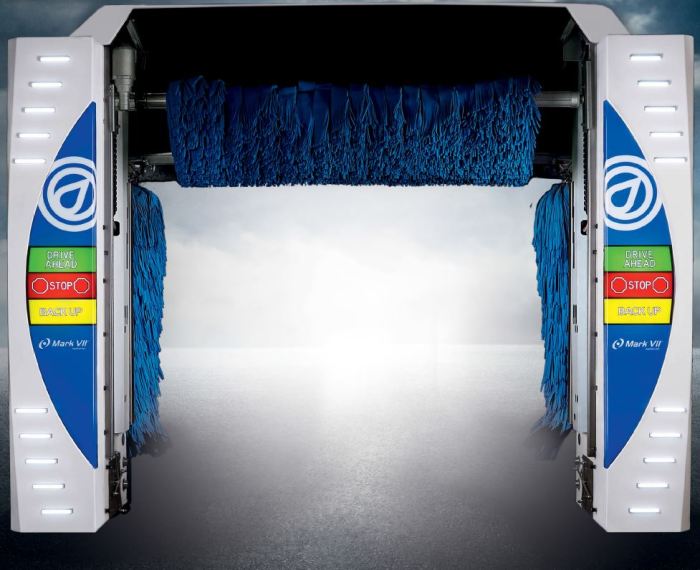
Touchless soft-wash systems set the stage for an enthralling narrative, offering readers a glimpse into a story rich in detail and innovation. These advanced cleaning solutions eliminate the need for physical contact, relying instead on specialized chemicals and technology to deliver a thorough wash without damaging surfaces.
Designed for various applications, touchless soft-wash systems are transforming industries from automotive to commercial cleaning. By utilizing gentle yet effective cleaning agents, they provide an eco-friendly alternative to traditional washing methods, ensuring surfaces are both clean and well-preserved.
Overview of Touchless Soft-Wash Systems
Touchless soft-wash systems represent a revolutionary approach to cleaning, especially in the automotive and industrial sectors. Unlike traditional washing methods that rely on friction from brushes or cloths, these systems use advanced chemicals and pressurized water to effectively clean surfaces without direct contact. This not only reduces the risk of scratches and damage but also enhances the efficiency of the cleaning process.The benefits of touchless soft-wash systems are manifold.
Firstly, they minimize the potential for surface damage, which is crucial for maintaining the aesthetic value of vehicles and equipment. Secondly, they are environmentally friendly, often utilizing less water and fewer harmful chemicals compared to conventional washing methods. Various industries, including automotive detailing, commercial fleet services, and even residential cleaning, have embraced touchless technology to optimize their operations.
Touchless Soft-Wash Technology
The technology behind touchless soft-wash systems is centered on specially formulated cleaning solutions that break down dirt and grime without the need for scrubbing. These chemical formulations are designed to be effective on various surfaces, including paint, glass, and plastic, without causing wear. In comparison to other washing technologies, touchless systems often provide superior cleaning results because they can penetrate and lift contaminants without mechanical agitation.Recent innovations in touchless soft-wash technology include the development of biodegradable cleaning agents and improved nozzle designs that enhance spray patterns for better coverage.
Additionally, automation and smart technology integration have streamlined the cleaning process, making it more user-friendly and efficient than ever.
Applications in Automotive Industry
Touchless soft-wash systems have found a valuable place in automotive detailing services. Their ability to clean without physical contact means that delicate paint finishes are preserved while ensuring a thorough wash. A notable example is XYZ Detailing, a company that successfully integrated touchless soft-wash systems into its operations. Following the implementation, they reported a significant increase in customer satisfaction due to the enhanced cleaning results and reduced risk of damage.For classic cars, the preservation of original paint and surface integrity is paramount.
Touchless soft-wash systems offer an ideal solution, as they eliminate the risks associated with brushes and cloths, ensuring that these vehicles maintain their value and appearance for years to come.
Environmental Impact
The environmental benefits of touchless soft-wash systems are significant, particularly in terms of water conservation. These systems can reduce water usage by up to 80% compared to traditional methods. Furthermore, they limit the reliance on harmful chemicals often used in automotive cleaning processes, which can contribute to environmental pollution and health risks.Statistics indicate that businesses adopting touchless systems experience a marked reduction in water waste.
For instance, a typical car wash using touchless technology may use as little as 10 gallons of water per wash, compared to conventional methods that can exceed 50 gallons.
Market Trends
Current trends in the market highlight a growing consumer preference for touchless washing methods in the automotive sector. As customers become more environmentally conscious, they seek services that align with their values, leading to increased demand for touchless soft-wash systems. The future outlook for sales and adoption rates of these systems appears promising, with projections indicating a substantial growth trajectory over the next few years.Innovations in user experience, such as mobile apps for scheduling wash services and cashless payment options, are also contributing to this trend, making touchless systems more accessible and appealing to a broader audience.
Cost Analysis
When considering the installation and maintenance of touchless soft-wash systems, businesses must evaluate various cost implications. Initial setup costs can be higher than traditional systems due to the advanced technology and equipment required. However, the long-term savings are notable, as touchless systems typically require less water, fewer chemicals, and less labor to operate, providing a favorable return on investment over time.Financing options are often available for businesses looking to invest in this technology, allowing them to spread the costs over time while reaping the benefits of improved cleaning efficiency and customer satisfaction.
Related Automotive Services
Touchless soft-wash systems enhance not only car detailing but also various automotive customization services. For instance, they are compatible with mobile audio and video installations—as they provide a clean and safe environment for technicians to work without the risk of damaging sensitive equipment.Furthermore, touchless washing can significantly benefit automotive repairs and maintenance by ensuring that vehicles are clean and free of contaminants before work begins, ultimately leading to higher-quality results and improved customer trust.
Consumer Education
Educating consumers about the benefits of touchless soft-wash systems is essential for encouraging adoption. An informative guide can be created for customers, outlining how to properly use touchless washing services to maximize results. Additionally, organizing community outreach programs can help demonstrate the advantages of touchless washing, showcasing its effectiveness and environmental benefits to potential users.
Closure
In conclusion, the rise of touchless soft-wash systems signifies a shift towards smarter, environmentally conscious cleaning methods. As more industries embrace this technology, it’s clear that touchless washing not only enhances efficiency but also prioritizes the preservation of our resources. Embracing this innovation could very well be the future of cleaning.
FAQ Insights
What are touchless soft-wash systems?
Touchless soft-wash systems are advanced cleaning technologies that use specialized chemicals and equipment to clean surfaces without physical contact.
How do touchless soft-wash systems work?
They operate by applying cleaning solutions that break down dirt and grime, which are then rinsed away using high-pressure water jets.
Are touchless soft-wash systems safe for all vehicle types?
Yes, touchless systems are designed to be gentle on all types of vehicles, including classic cars, ensuring their paint and surfaces remain undamaged.
What are the environmental benefits of using touchless soft-wash systems?
They conserve water and reduce the use of harmful chemicals, leading to a lesser environmental impact compared to traditional washing methods.
How can businesses implement touchless soft-wash systems?
Businesses can invest in touchless equipment and training, integrating it into their existing services to enhance efficiency and customer satisfaction.