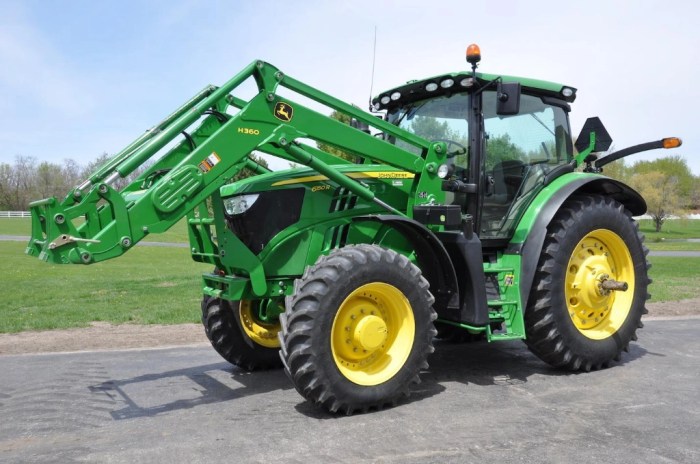
Dealer stock liquidation auctions serve as a fascinating avenue for both dealerships and buyers alike, providing unique opportunities to acquire vehicles at competitive prices. These auctions are designed to help dealerships clear out their inventory, making room for new stock while offering buyers access to a diverse range of vehicles, from everyday cars to classic gems.
What sets liquidation auctions apart is not just the potential for cost savings, but the variety and quality of vehicles available. From sedans to SUVs, and even motorcycles, these auctions showcase an eclectic mix that caters to every type of automotive enthusiast. Buyers can expect to find not only bargains but also unique opportunities to discover vehicles that might not be readily available in the market.
Understanding Dealer Stock Liquidation Auctions
Dealer stock liquidation auctions are specialized events where automotive dealerships sell off their excess inventory, typically to clear space for new models or to recover costs. These auctions serve as a strategic outlet for dealerships, allowing them to offload vehicles that may not have sold through traditional sales channels. The primary purpose of these auctions is to facilitate quick sales while maximizing the return on investment for the dealers.Participating in liquidation auctions offers several benefits for dealerships.
Firstly, it enables them to free up valuable floor space and reduce holding costs associated with unsold vehicles. Secondly, it can help improve cash flow by converting idle assets into liquid capital. Furthermore, dealerships can gain exposure to a wider range of buyers beyond their local market, enhancing their overall sales efforts.The vehicles typically found in liquidation auctions can vary widely but often include a mix of new, used, and demo vehicles.
Commonly, these auctions showcase cars, trucks, SUVs, and sometimes even specialty vehicles like electric cars or hybrids. Buyers can expect to find both high-demand models and those that may have been less popular, providing ample opportunities for savvy shoppers.
The Process of Participating in Liquidation Auctions
Registering for a dealer stock liquidation auction involves several key steps. Interested bidders must first find an auction house that specializes in automotive auctions, often listed on their websites or via industry publications. After selecting an auction, participants typically need to complete a registration form and provide proof of their dealership status, which may include a business license or dealer’s license.
Evaluating vehicles during the auction is crucial for making informed purchasing decisions. Prospective buyers should closely inspect the condition of each vehicle, checking for signs of wear and tear, mechanical issues, and other factors that could influence the vehicle’s value. Many auctions provide detailed vehicle histories and condition reports, which can be invaluable during this evaluation process.The bidding process itself can be competitive and requires strategic thinking.
Bidders should set a clear budget and stick to it to avoid overspending. Employing tactics such as waiting to bid until the last moments or placing early bids to gauge interest can be effective strategies. Understanding the auctioneer’s cadence and timing can also significantly impact bidding success.
Automotive Buying and Selling Auctions
Dealer liquidation auctions differ from public car auctions in several significant ways. While dealer auctions are usually closed to the public and cater exclusively to licensed dealerships, public auctions invite individual buyers and may offer a wider variety of vehicles, including those from private sellers. Moreover, pricing strategies can differ, with dealership auctions often yielding lower prices due to the volume and urgency of sales.Attending automotive buying and selling auctions can be advantageous for buyers looking for deals or rare finds.
Not only can buyers often secure vehicles at lower prices, but they also gain access to a diverse selection of cars that may not be available in standard dealerships. The competitive nature of auctions can drive prices down, creating opportunities for savvy shoppers to snag a bargain.To sell vehicles effectively at auctions, there are several tips to consider. First, ensure that vehicles are well-presented and thoroughly cleaned to attract potential buyers.
Second, providing accurate and detailed information about the vehicle’s history can build trust with bidders. Additionally, setting a realistic reserve price can help facilitate a sale without alienating bidders.
Car Detailing and Customization Opportunities
Post-auction, many buyers consider professional detailing services to enhance the appearance of their newly acquired vehicles. Common detailing services include thorough cleaning, waxing, and polishing, as well as interior shampooing and leather conditioning. These services not only improve aesthetics but can also help maintain the vehicle’s value over time.Customization trends are also gaining traction among buyers post-auction. Popular modifications include upgrading audio systems, adding custom wheels, and enhancing vehicle performance with aftermarket parts.
Buyers may choose to personalize their vehicles to reflect their individual styles or to improve functionality for specific needs.Successful car customization projects can range from simple upgrades to extensive modifications. For instance, installing a high-quality sound system can significantly enhance the driving experience, while custom paint jobs can make a vehicle stand out. Many enthusiasts share their projects online, providing inspiration and guidance for others looking to customize their vehicles effectively.
Trends in Classic Cars at Auctions
Classic cars frequently appear in liquidation auctions, drawing the attention of collectors and enthusiasts alike. Popular models often include vintage muscle cars, classic European sports cars, and iconic American vehicles, which have maintained or increased in value over the years. Factors such as rarity, condition, and historical significance heavily influence the desirability and value of these classic cars during auctions.The value of classic cars at auctions can be influenced by various factors, including market demand, the car’s provenance, and prevailing trends in classic car collecting.
For instance, certain brands or models may see a resurgence in popularity, leading to increased bidding activity. Additionally, the condition of the vehicle, including its originality and restoration quality, can significantly impact its auction performance.Restoring and preserving classic cars acquired from auctions requires careful planning and consideration. Buyers should prioritize finding reputable restoration shops and sourcing quality parts. Regular maintenance and proper storage conditions are also essential to preserving the vehicle’s integrity and ensuring its longevity.
Hybrid and Energy-Efficient Vehicles in Auctions
The rise of hybrid and energy-efficient vehicles in liquidation auctions reflects a growing shift in consumer preferences toward sustainability. Statistics show that the presence of these vehicles at auctions is increasing, as dealerships aim to cater to eco-conscious buyers. This trend not only benefits the environment but also diversifies the offerings available at auctions.Purchasing hybrid vehicles in an auction setting can be advantageous for buyers.
Often, hybrid models can be acquired at lower prices compared to traditional dealerships, providing significant savings. Additionally, the depreciation rate of hybrids can be favorable for buyers, as they may retain value better in the long run due to increasing demand for fuel-efficient options.Assessing the condition and performance of hybrid vehicles at auctions requires a keen eye for detail. Prospective buyers should examine battery health, engine functionality, and overall vehicle condition.
Conducting thorough tests and reviews can help ensure that the hybrid vehicle will perform well over time and meet the buyer’s expectations.
Mobile Audio and Video Enhancements for Auction Vehicles
The latest trends in mobile audio and video systems for auction vehicles are increasingly focused on enhancing the overall driving experience. From premium sound systems to advanced multimedia interfaces, buyers have a wealth of options for upgrading their vehicles. Features such as smartphone integration, surround sound systems, and high-definition video displays are becoming standard in many custom installations.When selecting audio and video upgrades for different types of vehicles, buyers should consider their specific needs and preferences.
Factors such as vehicle size, intended use, and personal taste play a crucial role in determining the best upgrades. Consulting with audio specialists can help buyers make informed decisions and ensure optimal installation.Several impressive mobile audio and video installations have set benchmarks in the industry. For example, some custom builds feature state-of-the-art sound systems with multiple speakers strategically placed for an immersive auditory experience.
Others showcase advanced video systems with screens integrated into headrests or dashboards, providing entertainment options for passengers during long journeys.
Insights into Automotive Motorcycles in Liquidation Auctions
Motorcycles are another exciting category that can feature prominently in dealer stock liquidation auctions. Various types, including cruisers, sport bikes, and touring motorcycles, often find their way to these events. Buyers interested in motorcycles should be prepared for a unique set of considerations compared to traditional automotive purchases.For those looking to buy motorcycles from auctions, it’s essential to assess the bike’s overall condition thoroughly.
This includes checking the engine, frame, and mechanical components, as well as evaluating the bike’s mileage and service history. Understanding the specific needs of each motorcycle type can help buyers make informed decisions and avoid potential pitfalls.Maintenance for motorcycles acquired from auctions is crucial for ensuring longevity and performance. Regular oil changes, tire inspections, and brake checks are foundational aspects of motorcycle upkeep.
Additionally, securing a reliable service provider familiar with the specific make and model of the motorcycle can prove invaluable for ongoing maintenance and repairs.
Automotive Repairs Post-Auction
Vehicles bought at liquidation auctions often require some level of repair or servicing before they are road-ready. Common repairs may include fixing minor cosmetic damage, addressing mechanical issues, or conducting routine maintenance tasks. Buyers should be prepared to allocate additional funds for these necessary repairs to ensure a safe and reliable vehicle.The importance of thorough inspections and repairs cannot be overstated for long-term ownership.
Conducting a comprehensive assessment after purchase can reveal underlying issues that may not have been apparent at the auction. Addressing these problems promptly can prevent more significant complications down the line and contribute to the overall enjoyment of the vehicle.Recommended automotive repair services should include a mix of independent shops and specialized dealerships. Buyers should seek out repair facilities with a solid reputation for quality work and customer service.
Additionally, it’s beneficial to establish a relationship with a local mechanic who can provide ongoing support and advice throughout the ownership experience.
Vehicles in the SUV, Truck, and Van Categories
Liquidation auctions frequently feature a range of SUVs, trucks, and vans, catering to buyers seeking functional and versatile vehicles. Popular models may include well-known names like the Ford F-150, Chevrolet Tahoe, and Honda Odyssey, which are sought after for their performance and reliability. Understanding which vehicles are in demand can help buyers make strategic purchasing decisions.When participating in auctions, buyers should look for specific features in SUVs, trucks, and vans.
Key attributes to consider include towing capacity, cargo space, fuel efficiency, and safety ratings. Evaluating these factors can significantly influence the practicality and value of the vehicle in question.Assessing the practicality and performance of SUVs, trucks, and vans during auctions requires careful consideration of their intended use. Buyers should reflect on their needs, whether for family transportation, recreational activities, or work-related tasks.
Test driving and detailed inspections can provide further insights into the vehicle’s capabilities and suitability for the buyer’s lifestyle.
Summary
In conclusion, dealer stock liquidation auctions represent an exciting landscape for both dealerships looking to optimize their inventory and savvy buyers seeking quality vehicles at unbeatable prices. By understanding the auction process, evaluating vehicles effectively, and embracing the potential for customization, participants can truly maximize their experience and outcomes in these dynamic events.
Questions Often Asked
What types of vehicles are typically found in liquidation auctions?
Liquidation auctions often feature a wide range of vehicles including sedans, SUVs, trucks, motorcycles, and sometimes classic cars.
How can I prepare for a dealer stock liquidation auction?
Preparation includes researching the auction house, registering ahead of time, and reviewing the auction catalog to identify vehicles of interest.
Are there fees associated with participating in liquidation auctions?
Yes, participants may incur fees such as registration fees, buyer’s premiums, and potential transportation costs for acquired vehicles.
Can I negotiate prices at dealer stock liquidation auctions?
Typically, prices at liquidation auctions are determined by the bidding process, so negotiation is not possible in the traditional sense.
What should I look for when evaluating vehicles at auction?
Check the vehicle’s condition, maintenance history, mileage, and perform a visual inspection to assess its overall quality.