OEM vs aftermarket part debates Exploring the Options

OEM vs. Aftermarket Parts: How to Choose the Right Equipment

OEM vs aftermarket part debates are at the heart of automotive discussions, often igniting passionate opinions among car enthusiasts and everyday drivers alike. With the automotive industry constantly evolving, understanding the differences between these two types of parts is crucial for making informed decisions.

OEM parts, or Original Equipment Manufacturer parts, are crafted by the same manufacturer that produces the vehicle, ensuring a perfect fit and high quality. On the other hand, aftermarket parts offer a diverse range of options that can save money and provide unique enhancements. This overview will guide you through the essential aspects of both choices, weighing their pros and cons, to help you determine the best fit for your vehicle needs.

Understanding OEM Parts

OEM parts, or Original Equipment Manufacturer parts, are components that are made by the same manufacturer who produced the original parts for a vehicle. Their significance in the automotive industry lies in their guarantee of quality and compatibility with the vehicle they are designed for. This ensures that the parts fit correctly and function as intended, maintaining the integrity of the vehicle’s performance.The manufacturing process of OEM parts involves high standards of quality control, ensuring that each part meets the specifications set by the vehicle manufacturer.

This rigorous process means that OEM parts are typically made from the same materials and to the same tolerances as the original parts, providing reliability and longevity. Furthermore, one of the key benefits of choosing OEM parts is the warranty often associated with them. OEM parts typically come with a warranty that guarantees replacement or repair for a specified period, which is not always the case with aftermarket options.

Exploring Aftermarket Parts

Aftermarket parts are components produced by companies other than the original manufacturer. They offer a wide variety of options for automotive repairs, from performance upgrades to budget-friendly alternatives. The diversity of aftermarket parts allows consumers to choose options tailored to their specific needs and preferences, often at a lower price point than OEM parts.Cost savings are one of the main attractions of using aftermarket parts.

Many aftermarket options can be significantly cheaper than their OEM counterparts, making them appealing for vehicle owners looking to save money. The aftermarket parts market is dominated by several well-known companies and brands, such as Duralast, Monroe, and ACDelco, which provide a range of parts for various vehicle makes and models.

Pros and Cons of OEM Parts

Using OEM parts comes with distinct advantages. Compatibility is a primary benefit, as these parts are designed specifically for the make and model of the vehicle, ensuring a perfect fit and optimal performance. Reliability is another key advantage; since OEM parts meet strict quality standards, they tend to be more durable and long-lasting. However, there are also disadvantages to consider.

OEM parts often come with higher costs compared to aftermarket parts, which can be a deterrent for some consumers. Additionally, availability can sometimes be an issue, especially for older or less common vehicle models. In scenarios where a vehicle requires a quick repair, the time it takes to source OEM parts can lead to delays.

Pros and Cons of Aftermarket Parts

Aftermarket parts are known for providing several benefits, including a wide array of customization options. Vehicle owners can find specialized parts that enhance performance or appearance, which is particularly appealing for enthusiasts. Lower pricing is another significant advantage, allowing consumers to save money on repairs and upgrades.On the flip side, there are risks associated with using aftermarket parts. The quality can vary greatly depending on the manufacturer, which may lead to inconsistencies in performance and longevity.

To illustrate, a comparison table can highlight common aftermarket parts alongside their OEM counterparts, showing differences in quality and cost.

Part Type OEM Part Aftermarket Part Price Range
Brake Pads Brembo ACDelco $75 – $120
Starter Motor Delco Remy Cardone $120 – $180
Timing Belt Mazda OEM Gates $50 – $70

Debating the Best Option

OEM vs. Aftermarket Parts: How to Choose the Right Equipment

When choosing between OEM and aftermarket parts, consumers should consider several factors. These include vehicle make and model, budget constraints, and personal preferences for performance and longevity. Testimonials from car owners can provide valuable insights, with many sharing their experiences with either option, highlighting the pros and cons they encountered.A comparison of long-term performance and durability can also be useful.

OEM parts are generally seen as more reliable over time, while high-quality aftermarket parts can offer competitive durability and performance.

Impact on Automotive Buying and Selling

The choice between OEM and aftermarket parts significantly affects a vehicle’s resale value. Cars that have been maintained with OEM parts often attract buyers who value quality and reliability, potentially leading to higher resale prices. Sellers can strategize by highlighting the use of OEM parts in their listings, reassuring prospective buyers of the vehicle’s upkeep.Transparency is crucial in the automotive buying process, especially regarding the parts used in a vehicle.

Clear communication about whether OEM or aftermarket parts have been installed can build trust and ensure buyers feel confident in their purchase.

Influence on Car Detailing and Customization

Car detailing services are influenced by the choice of OEM versus aftermarket parts. While OEM parts ensure a vehicle retains its original specification, aftermarket parts can offer unique options for customization, allowing car owners to personalize their vehicles. Current trends in the aftermarket parts market lean towards customization, with many enthusiasts opting for performance enhancements or aesthetic modifications.For those looking to integrate aftermarket parts into their projects, recommendations from experienced professionals can be invaluable.

They can guide consumers on selecting high-quality components that fit their vision while ensuring compatibility with existing systems.

Considerations for Classic Cars

Classic car restoration presents unique challenges when sourcing OEM and aftermarket parts. Finding OEM parts for vintage vehicles can be difficult due to the age of the components, leading many restorers to rely on aftermarket options that mimic original specifications. Aftermarket options available for classic cars often focus on enhancing performance without compromising the vehicle’s authenticity. Many companies specialize in producing parts that not only fit but also improve the performance of classic models, ensuring they can be driven comfortably in modern traffic conditions.

Advancements in Hybrid and Energy Efficient Vehicles

As the automotive industry shifts towards hybrid and energy-efficient vehicles, both OEM and aftermarket parts are evolving to meet new needs. OEM manufacturers are now offering components specifically designed for electric and hybrid systems to enhance efficiency and performance.Aftermarket innovations are also emerging, with products aimed at improving fuel efficiency and overall performance in hybrid vehicles. As the demand for eco-friendly solutions grows, the market is adapting, resulting in a broader range of parts designed to cater to environmentally conscious consumers.

Exploring Mobile Audio and Video Systems

The impact of OEM versus aftermarket parts extends to mobile audio and video installations. OEM audio systems are typically designed to work seamlessly with the vehicle’s electronics, providing a reliable experience. However, aftermarket audio enhancements can offer superior sound quality and features that OEM systems may lack.Selecting high-quality aftermarket parts for audio enhancements is essential to ensure compatibility and performance.

When integrating aftermarket audio systems, attention to detail in the installation process is crucial to maintain the vehicle’s aesthetics while achieving the desired audio performance.

Considerations for Different Vehicle Types

Different vehicle types come with specific requirements regarding OEM and aftermarket parts. For motorcycles, the availability of parts can be limited, making aftermarket options more appealing. SUVs, trucks, and vans also have unique factors to consider, such as towing capacity and load-bearing capabilities, which may influence the choice of parts.When comparing part availability and quality across various vehicle types, consumers should be aware of the differences in OEM and aftermarket offerings.

Some vehicles may have a robust aftermarket support system, while others might benefit from the reliability of OEM parts tailored to their specifications.

Overview of Automotive Repairs

OEM and aftermarket parts play vital roles in common automotive repairs. Familiarity with the specific needs of various repairs can help consumers identify the best parts to use. Mechanics often provide recommendations based on their expertise, guiding customers toward options that will ensure the longevity and efficiency of repairs.When considering a repair job, having a clear procedure list for identifying the suitable parts can streamline the process, ensuring that vehicle owners make informed decisions that align with their needs and expectations.

Final Conclusion

In summary, the OEM vs aftermarket part debates reveal a spectrum of choices that depend heavily on individual preferences, budget constraints, and specific vehicle requirements. Whether you prioritize the guaranteed quality of OEM parts or the cost-effectiveness and customization potential of aftermarket options, being informed will ensure that you make the best decisions for your automotive needs.

Essential FAQs

What are the main differences between OEM and aftermarket parts?

OEM parts are made by the vehicle’s manufacturer, ensuring compatibility and quality, while aftermarket parts are produced by third-party companies, often at a lower cost but with varying quality.

Are aftermarket parts always cheaper than OEM parts?

Generally, aftermarket parts tend to be less expensive than OEM parts, but prices can vary widely based on brand and quality.

Do OEM parts have better warranties than aftermarket parts?

Typically, OEM parts come with better warranty coverage compared to many aftermarket options, which may offer limited or no warranty.

Can using aftermarket parts affect my vehicle’s warranty?

Using aftermarket parts does not void your vehicle’s warranty as long as the parts are of good quality and properly installed, but it’s wise to check the specific terms of your warranty.

How can I ensure the quality of aftermarket parts?

To ensure quality, research reputable brands, read customer reviews, and consider products that come with warranties.
Custom Paint Protection Film For Vehicle Longevity

Paint Protection Film

Custom paint protection film is revolutionizing how we preserve the aesthetics and integrity of our vehicles. This innovative solution not only guards against scratches and environmental damage but also enhances the overall appearance of the car. With a variety of options available, choosing the right film can significantly impact your vehicle’s upkeep and resale value.

Unlike traditional coatings, custom paint protection film provides a transparent barrier that is both durable and flexible, allowing it to conform seamlessly to the contours of your vehicle. There are several misconceptions surrounding these films, but understanding their true benefits can help car owners make informed decisions that protect their investment.

Introduction to Custom Paint Protection Film

Custom paint protection film (PPF) serves as a shield for your vehicle’s exterior, designed to guard against scratches, chips, and environmental contaminants. The primary purpose of these films is to maintain the aesthetic appeal and value of vehicles, especially those that are frequently exposed to harsh conditions. Unlike traditional wax or sealants that provide temporary protection, custom PPF offers a durable, long-lasting solution that can withstand daily wear and tear.One common misconception about paint protection films is that they are merely a gimmick, providing no real benefits.

In reality, PPF is engineered with advanced materials that not only protect the paint but can also be self-healing, meaning minor scratches can disappear over time with heat exposure. Furthermore, some believe that PPF can alter the look of their vehicle, when in fact, high-quality films are virtually invisible and enhance the vehicle’s shine.

Types of Custom Paint Protection Film

Paint Protection Film

There are several types of paint protection films available in the market today, each offering unique features and benefits. Understanding these options can help vehicle owners choose the right film for their specific needs.

  • Standard PPF: Offers basic protection against scratches and minor impacts, ideal for everyday vehicles.
  • Self-Healing PPF: Features advanced technology that allows minor scratches to heal themselves when exposed to heat, making it perfect for high-maintenance vehicles.
  • Matte PPF: Designed for vehicles with a matte finish, preserving the unique look while protecting against damage.
  • Color-Changing PPF: Allows for customization with different colors and finishes, providing a unique look while safeguarding the original paint.

Factors influencing the choice of film include the vehicle’s make and model, the typical driving conditions, and personal preferences regarding aesthetics and performance. Each type of film can cater to different needs, making it crucial to consult with a professional before making a decision.

Installation Process of Paint Protection Film

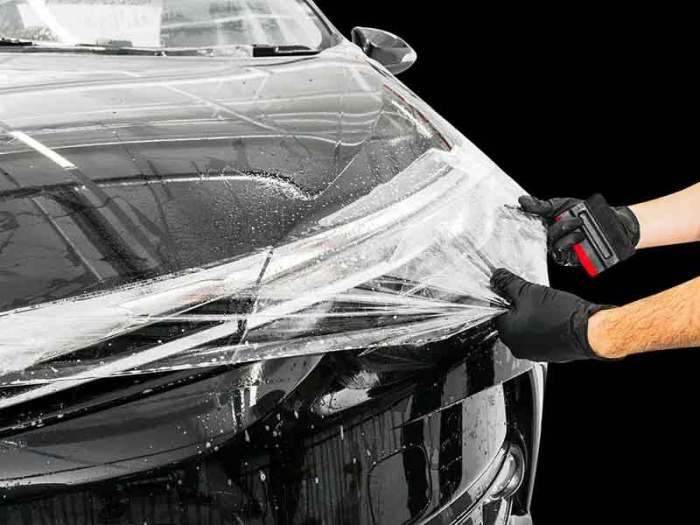
Installing custom paint protection film requires attention to detail and precision. The process typically involves several steps which, when followed correctly, result in a flawless application.

1. Preparation

Thoroughly wash and dry the vehicle, ensuring that the surface is free of dirt, wax, and oils.

2. Measurement and Cutting

Measure the areas to be covered and cut the film to fit, allowing for slight overlaps.

3. Application

Use a slip solution to position the film on the vehicle, ensuring proper alignment and coverage.

4. Squeegee

Carefully squeegee out air bubbles and excess solution, working from the center outwards.

5. Curing

Allow the film to cure for a specified period before exposing it to water or harsh conditions.To ensure a successful application, it’s essential to work in a dust-free environment and use high-quality materials. Common mistakes to avoid include not preparing the surface adequately or applying the film in direct sunlight, which can affect adhesion.

Maintenance of Paint Protection Film

Maintaining custom paint protection film is crucial for preserving its integrity and appearance over time. Regular care ensures the film continues to provide optimal protection against the elements.Best practices for maintenance include:

  • Washing: Use a gentle car soap and microfiber cloth to clean the film regularly.
  • Avoiding Harsh Chemicals: Do not use abrasive cleaners or solvents that can damage the film’s surface.
  • Inspecting Regularly: Check for any signs of damage or wear, addressing issues promptly to prevent further deterioration.

A recommended cleaning routine involves washing the vehicle every two weeks and applying a PPF-specific sealant to enhance gloss and protect the film. Common issues that may arise include yellowing or edge lifting, which can often be remedied with proper care and timely repairs.

Custom Paint Protection Film in Automotive Buying and Selling

Custom paint protection film plays a significant role in enhancing a vehicle’s resale value. By maintaining the car’s exterior in pristine condition, PPF can make a vehicle more attractive to potential buyers.Buyers are often drawn to vehicles that show minimal signs of wear, and a well-installed paint protection film can provide that desired appearance. Testimonials from sellers indicate that cars with PPF sell faster and often at higher prices than similar models without it.

For instance, a seller who invested in PPF reported receiving multiple offers and sold their vehicle above the asking price, attributing this success to the protective film’s influence on buyer perceptions.

The Role of Paint Protection Film in Car Detailing and Customization

Paint protection film is an essential component of the car detailing process and offers numerous customization options. Detailing professionals often recommend PPF as a finishing touch to ensure long-lasting protection for newly detailed vehicles.Customization options with PPF include a variety of finishes, such as gloss, matte, and even textured films that can enhance the vehicle’s overall look. Unique designs can be applied, from full-body wraps in striking colors to intricate patterns that reflect personal style while keeping the paint protected.Such custom projects not only serve functional purposes but can also transform the aesthetic appeal of a vehicle, making it stand out on the road.

Paint Protection Film for Classic Cars

Classic cars present a unique case for paint protection film, offering distinct benefits that can protect their timeless beauty. Applying PPF to such vehicles helps preserve their original paint and value over time.However, challenges arise when dealing with vintage automobiles, including the need for careful handling during installation to avoid damaging delicate paint surfaces. Restoration projects that utilized PPF have shown significant success, with owners reporting improved longevity and attractiveness of their classic vehicles.For example, a classic car restoration that included PPF application maintained the car’s original color while protecting it from chips and environmental damage, significantly enhancing its marketability.

Environmental Considerations: Hybrid and Energy Efficient Vehicles

Paint protection film contributes to the longevity of hybrid and energy-efficient vehicles by protecting their paint jobs against wear and tear associated with urban driving environments. This longevity aligns with the eco-conscious ethos of many hybrid owners.Certain paint protection films are now being produced with eco-friendly materials, which reduce the environmental impact compared to traditional films. When comparing the impact of paint protection film on traditional combustion vehicles versus hybrids, it’s clear that both benefit from added protection, but hybrids may lead the way in sustainable vehicle care.

Integration with Mobile Audio and Video Systems

Custom paint protection film plays a vital role in protecting the aesthetics of vehicles that are equipped with mobile audio and video systems. When installing such systems, care must be taken to ensure that the paint remains undamaged during the process.It’s essential to balance audio and video upgrades with maintaining vehicle appearance. For instance, ensuring that installation equipment does not come into contact with exposed paint can prevent scratches.

Using PPF in these scenarios helps safeguard the vehicle’s exterior while improving sound and video quality.

Paint Protection Film for Different Vehicle Types

The application of paint protection film varies across different vehicle types, including SUVs, trucks, vans, and motorcycles. Each type presents unique needs and considerations.

  • SUVs: Typically require more coverage due to larger surface areas and are often exposed to harsher conditions.
  • Trucks: Benefit from PPF to protect against scratches from cargo and off-road activities.
  • Vans: Often used for commercial purposes, requiring durable protection to maintain a professional appearance.
  • Motorcycles: Smaller surfaces require precise application, focusing on key areas prone to damage.

Successful applications across various vehicle types showcase the versatility of PPF and its effectiveness in protecting investments.

Common Repairs and Issues with Paint Protection Film

Common repairs for damaged paint protection film can include patching sections that have been compromised or replacing entire panels of film if necessary. Proper handling and timely repairs can prevent more extensive damage from occurring.Issues like peeling or bubbling are typically indications of improper installation or insufficient surface preparation. Addressing these concerns promptly can maintain the film’s effectiveness and appearance.Examples of successful repairs include reapplying sections of PPF that had experienced lifting without needing to replace the entire film, showcasing the repair’s feasibility and effectiveness in preserving the vehicle’s appearance.

Last Recap

In summary, custom paint protection film is a smart choice for anyone looking to maintain their vehicle’s appearance while enhancing its value. Whether you’re a car enthusiast or simply want to keep your ride looking new, this protective film offers practical solutions that cater to various needs and preferences. By investing in custom paint protection, you’re not just protecting your vehicle; you’re ensuring it remains a source of pride for years to come.

Essential Questionnaire

What is custom paint protection film made of?

It is typically made from a thermoplastic urethane material that is designed to be durable and flexible.

How long does custom paint protection film last?

Depending on the quality and care, it can last anywhere from 5 to 10 years.

Can I wash my car with paint protection film?

Yes, you can wash your car, but it’s recommended to use a gentle touch and avoid abrasive cleaning tools.

Is the installation of paint protection film DIY-friendly?

While some may attempt DIY installation, professional installation is recommended for the best results.

Can paint protection film be removed later?

Yes, it can be safely removed without damaging the underlying paint, though it’s advisable to have a professional do it.