OEM vs aftermarket part debates Exploring the Options

OEM vs. Aftermarket Parts: How to Choose the Right Equipment

OEM vs aftermarket part debates are at the heart of automotive discussions, often igniting passionate opinions among car enthusiasts and everyday drivers alike. With the automotive industry constantly evolving, understanding the differences between these two types of parts is crucial for making informed decisions.

OEM parts, or Original Equipment Manufacturer parts, are crafted by the same manufacturer that produces the vehicle, ensuring a perfect fit and high quality. On the other hand, aftermarket parts offer a diverse range of options that can save money and provide unique enhancements. This overview will guide you through the essential aspects of both choices, weighing their pros and cons, to help you determine the best fit for your vehicle needs.

Understanding OEM Parts

OEM parts, or Original Equipment Manufacturer parts, are components that are made by the same manufacturer who produced the original parts for a vehicle. Their significance in the automotive industry lies in their guarantee of quality and compatibility with the vehicle they are designed for. This ensures that the parts fit correctly and function as intended, maintaining the integrity of the vehicle’s performance.The manufacturing process of OEM parts involves high standards of quality control, ensuring that each part meets the specifications set by the vehicle manufacturer.

This rigorous process means that OEM parts are typically made from the same materials and to the same tolerances as the original parts, providing reliability and longevity. Furthermore, one of the key benefits of choosing OEM parts is the warranty often associated with them. OEM parts typically come with a warranty that guarantees replacement or repair for a specified period, which is not always the case with aftermarket options.

Exploring Aftermarket Parts

Aftermarket parts are components produced by companies other than the original manufacturer. They offer a wide variety of options for automotive repairs, from performance upgrades to budget-friendly alternatives. The diversity of aftermarket parts allows consumers to choose options tailored to their specific needs and preferences, often at a lower price point than OEM parts.Cost savings are one of the main attractions of using aftermarket parts.

Many aftermarket options can be significantly cheaper than their OEM counterparts, making them appealing for vehicle owners looking to save money. The aftermarket parts market is dominated by several well-known companies and brands, such as Duralast, Monroe, and ACDelco, which provide a range of parts for various vehicle makes and models.

Pros and Cons of OEM Parts

Using OEM parts comes with distinct advantages. Compatibility is a primary benefit, as these parts are designed specifically for the make and model of the vehicle, ensuring a perfect fit and optimal performance. Reliability is another key advantage; since OEM parts meet strict quality standards, they tend to be more durable and long-lasting. However, there are also disadvantages to consider.

OEM parts often come with higher costs compared to aftermarket parts, which can be a deterrent for some consumers. Additionally, availability can sometimes be an issue, especially for older or less common vehicle models. In scenarios where a vehicle requires a quick repair, the time it takes to source OEM parts can lead to delays.

Pros and Cons of Aftermarket Parts

Aftermarket parts are known for providing several benefits, including a wide array of customization options. Vehicle owners can find specialized parts that enhance performance or appearance, which is particularly appealing for enthusiasts. Lower pricing is another significant advantage, allowing consumers to save money on repairs and upgrades.On the flip side, there are risks associated with using aftermarket parts. The quality can vary greatly depending on the manufacturer, which may lead to inconsistencies in performance and longevity.

To illustrate, a comparison table can highlight common aftermarket parts alongside their OEM counterparts, showing differences in quality and cost.

Part Type OEM Part Aftermarket Part Price Range
Brake Pads Brembo ACDelco $75 – $120
Starter Motor Delco Remy Cardone $120 – $180
Timing Belt Mazda OEM Gates $50 – $70

Debating the Best Option

OEM vs. Aftermarket Parts: How to Choose the Right Equipment

When choosing between OEM and aftermarket parts, consumers should consider several factors. These include vehicle make and model, budget constraints, and personal preferences for performance and longevity. Testimonials from car owners can provide valuable insights, with many sharing their experiences with either option, highlighting the pros and cons they encountered.A comparison of long-term performance and durability can also be useful.

OEM parts are generally seen as more reliable over time, while high-quality aftermarket parts can offer competitive durability and performance.

Impact on Automotive Buying and Selling

The choice between OEM and aftermarket parts significantly affects a vehicle’s resale value. Cars that have been maintained with OEM parts often attract buyers who value quality and reliability, potentially leading to higher resale prices. Sellers can strategize by highlighting the use of OEM parts in their listings, reassuring prospective buyers of the vehicle’s upkeep.Transparency is crucial in the automotive buying process, especially regarding the parts used in a vehicle.

Clear communication about whether OEM or aftermarket parts have been installed can build trust and ensure buyers feel confident in their purchase.

Influence on Car Detailing and Customization

Car detailing services are influenced by the choice of OEM versus aftermarket parts. While OEM parts ensure a vehicle retains its original specification, aftermarket parts can offer unique options for customization, allowing car owners to personalize their vehicles. Current trends in the aftermarket parts market lean towards customization, with many enthusiasts opting for performance enhancements or aesthetic modifications.For those looking to integrate aftermarket parts into their projects, recommendations from experienced professionals can be invaluable.

They can guide consumers on selecting high-quality components that fit their vision while ensuring compatibility with existing systems.

Considerations for Classic Cars

Classic car restoration presents unique challenges when sourcing OEM and aftermarket parts. Finding OEM parts for vintage vehicles can be difficult due to the age of the components, leading many restorers to rely on aftermarket options that mimic original specifications. Aftermarket options available for classic cars often focus on enhancing performance without compromising the vehicle’s authenticity. Many companies specialize in producing parts that not only fit but also improve the performance of classic models, ensuring they can be driven comfortably in modern traffic conditions.

Advancements in Hybrid and Energy Efficient Vehicles

As the automotive industry shifts towards hybrid and energy-efficient vehicles, both OEM and aftermarket parts are evolving to meet new needs. OEM manufacturers are now offering components specifically designed for electric and hybrid systems to enhance efficiency and performance.Aftermarket innovations are also emerging, with products aimed at improving fuel efficiency and overall performance in hybrid vehicles. As the demand for eco-friendly solutions grows, the market is adapting, resulting in a broader range of parts designed to cater to environmentally conscious consumers.

Exploring Mobile Audio and Video Systems

The impact of OEM versus aftermarket parts extends to mobile audio and video installations. OEM audio systems are typically designed to work seamlessly with the vehicle’s electronics, providing a reliable experience. However, aftermarket audio enhancements can offer superior sound quality and features that OEM systems may lack.Selecting high-quality aftermarket parts for audio enhancements is essential to ensure compatibility and performance.

When integrating aftermarket audio systems, attention to detail in the installation process is crucial to maintain the vehicle’s aesthetics while achieving the desired audio performance.

Considerations for Different Vehicle Types

Different vehicle types come with specific requirements regarding OEM and aftermarket parts. For motorcycles, the availability of parts can be limited, making aftermarket options more appealing. SUVs, trucks, and vans also have unique factors to consider, such as towing capacity and load-bearing capabilities, which may influence the choice of parts.When comparing part availability and quality across various vehicle types, consumers should be aware of the differences in OEM and aftermarket offerings.

Some vehicles may have a robust aftermarket support system, while others might benefit from the reliability of OEM parts tailored to their specifications.

Overview of Automotive Repairs

OEM and aftermarket parts play vital roles in common automotive repairs. Familiarity with the specific needs of various repairs can help consumers identify the best parts to use. Mechanics often provide recommendations based on their expertise, guiding customers toward options that will ensure the longevity and efficiency of repairs.When considering a repair job, having a clear procedure list for identifying the suitable parts can streamline the process, ensuring that vehicle owners make informed decisions that align with their needs and expectations.

Final Conclusion

In summary, the OEM vs aftermarket part debates reveal a spectrum of choices that depend heavily on individual preferences, budget constraints, and specific vehicle requirements. Whether you prioritize the guaranteed quality of OEM parts or the cost-effectiveness and customization potential of aftermarket options, being informed will ensure that you make the best decisions for your automotive needs.

Essential FAQs

What are the main differences between OEM and aftermarket parts?

OEM parts are made by the vehicle’s manufacturer, ensuring compatibility and quality, while aftermarket parts are produced by third-party companies, often at a lower cost but with varying quality.

Are aftermarket parts always cheaper than OEM parts?

Generally, aftermarket parts tend to be less expensive than OEM parts, but prices can vary widely based on brand and quality.

Do OEM parts have better warranties than aftermarket parts?

Typically, OEM parts come with better warranty coverage compared to many aftermarket options, which may offer limited or no warranty.

Can using aftermarket parts affect my vehicle’s warranty?

Using aftermarket parts does not void your vehicle’s warranty as long as the parts are of good quality and properly installed, but it’s wise to check the specific terms of your warranty.

How can I ensure the quality of aftermarket parts?

To ensure quality, research reputable brands, read customer reviews, and consider products that come with warranties.

Smart tire monitoring sensors enhance vehicle safety

Smart tire monitoring sensors are revolutionizing the way we think about vehicle safety and performance. These advanced technologies offer real-time data on tire health, helping drivers make informed decisions and maintain optimal performance. By seamlessly integrating with vehicle systems, they promise not only to enhance safety but also to improve fuel efficiency and extend tire life.

The benefits of smart tire monitoring sensors extend beyond just safety; they also play a crucial role in the automotive market, influencing buying and selling dynamics, enhancing car valuation, and even making classic and hybrid vehicles more appealing. Whether you’re an enthusiast or a daily commuter, understanding these systems is essential in today’s automotive landscape.

Smart Tire Monitoring Sensors

Smart tire monitoring sensors are innovative devices designed to provide real-time data about tire conditions, enhancing vehicle safety and performance. These sensors utilize advanced technology to monitor tire pressure, temperature, and overall health, paving the way for smarter driving experiences.

Technology Behind Smart Tire Monitoring Sensors

The core function of smart tire monitoring sensors relies on a combination of pressure sensors, temperature sensors, and wireless communication systems. These sensors are typically mounted on the tire valves and continuously gather data. The information is then transmitted to the vehicle’s onboard computer or a smartphone app, allowing drivers to stay informed about their tire conditions.

Benefits of Using Smart Tire Monitoring Sensors

Utilizing smart tire monitoring sensors comes with several advantages:

  • Improved safety by alerting drivers to low tire pressure or temperature issues.
  • Enhanced fuel efficiency as properly inflated tires contribute to better gas mileage.
  • Increased tire lifespan through regular monitoring and timely maintenance alerts.
  • Convenient real-time updates accessible via mobile applications or dashboard displays.

Impact on Vehicle Safety and Performance

The integration of smart tire monitoring sensors significantly boosts vehicle safety and performance. By providing early warnings for tire-related issues, these sensors help prevent blowouts and accidents. Additionally, maintaining optimal tire conditions ensures better handling, traction, and overall driving experience.

Automotive Buying and Selling

Smart tire monitoring sensors can considerably elevate a vehicle’s market value, making them a crucial consideration during buying and selling processes. Their presence signals to potential buyers that a car is equipped with modern technology that enhances safety and efficiency.

Enhancing Value During Buying and Selling

A car equipped with smart tire monitoring sensors often attracts more attention from buyers. These sensors add a layer of assurance regarding the vehicle’s condition, which can justify a higher asking price.

Assessing Condition of Smart Tire Monitoring Sensors

When purchasing a used vehicle, it’s essential to verify the functionality of the smart tire monitoring sensors. Key points to consider include:

  • Check if the sensors are properly calibrated and provide accurate readings.
  • Ensure there are no warning lights on the dashboard relating to tire monitoring issues.
  • Inquire about any recent maintenance or replacements of the tire monitoring system.

Highlighting Sensors as a Selling Point

For sellers, effectively marketing smart tire monitoring sensors can be a significant advantage. Emphasizing their benefits can attract more buyers:

  • Showcase the safety and convenience offered by the sensors.
  • Provide documentation of the system’s reliability and maintenance history.
  • Offer to demonstrate the system’s functionality during viewings.

Automotive Auctions

In the realm of automotive auctions, smart tire monitoring sensors play an integral role in evaluations. They provide critical data that can influence bidding decisions, ensuring potential buyers have a clear understanding of the vehicle’s condition.

Role in Auction Evaluations

During auctions, vehicles with smart tire monitoring sensors can fetch higher bids due to their perceived reliability. Buyers are more inclined to invest in cars that showcase advanced technological features.

Checklist for Auction Participants

When participating in automotive auctions, it is important to verify the following regarding tire monitoring systems:

  • Confirm the existence and functionality of the smart tire monitoring sensors.
  • Ask if the system is integrated with the car’s onboard computer.
  • Review maintenance records for any repairs related to the tire monitoring sensors.

Comparing Traditional and Smart Tire Monitoring Methods

Traditional tire monitoring methods, often limited to visual inspections and manual tire pressure checks, lack the real-time capabilities of smart systems. Smart tire monitoring sensors offer instant alerts for pressure fluctuations and temperature changes, ensuring a proactive approach to tire maintenance.

Car Detailing and Customization

Integrating smart tire monitoring sensors into car detailing services can enhance both the aesthetic and functional attributes of a vehicle. This service can provide customers with cutting-edge technology that emphasizes safety and performance.

Designing an Installation Service

A comprehensive car detailing service that includes the installation of smart tire monitoring sensors should focus on:

  • Conducting a thorough pre-installation assessment of the vehicle’s tire system.
  • Offering various sensor options tailored to different vehicle types.
  • Providing post-installation support and maintenance tips.

Customizing Sensors for Specific Vehicle Types

Smart tire monitoring sensors can be customized to cater to the unique requirements of various vehicles, including:

  • Adjusting sensor sensitivity based on vehicle weight and tire type.
  • Integrating sensors with existing vehicle technologies for seamless operation.
  • Providing aesthetic options for sensor designs to match vehicle colors.

Guide on Maintaining Smart Tire Monitoring Sensors

Regular maintenance is crucial for the longevity of smart tire monitoring sensors. Key practices include:

  • Cleaning the sensor area to prevent debris buildup.
  • Regularly checking the battery status, if applicable.
  • Scheduling diagnostics during routine vehicle inspections.

Classic Cars and Smart Technology

The integration of smart tire monitoring sensors into classic cars represents a blend of vintage aesthetics and modern technology. This combination appeals to collectors and enthusiasts who appreciate both the charm of classic vehicles and the safety benefits of contemporary innovations.

Challenges and Solutions for Retrofitting

Retrofitting classic vehicles with smart tire monitoring systems poses unique challenges, such as:

  • Finding compatible sensors that fit within the original tire design.
  • Ensuring that installation does not compromise the vehicle’s original components.
  • Addressing the electrical requirements for sensor operation.

Solutions may include custom-designed sensors and professional installation services specializing in classic cars.

Appeal of Modern Features in Restorations

Adding modern features like tire monitoring to classic car restorations enhances their functionality without sacrificing style. This trend is increasingly popular among restoration enthusiasts looking to maintain the vehicle’s heritage while upgrading safety and performance.

Hybrid and Energy Efficient Vehicles

Smart tire monitoring sensors offer significant advantages for hybrid and energy-efficient vehicles, contributing to their overall effectiveness and sustainability.

Advantages for Hybrid Vehicles

For hybrid and energy-efficient vehicles, maintaining optimal tire conditions is crucial for maximizing fuel efficiency. Smart tire monitoring sensors provide:

  • Real-time data on tire performance, enabling proactive adjustments.
  • Alerts for low pressure that can adversely affect energy consumption.
  • Insights into tire wear that can improve overall drive quality.

Comparing Traditional vs. Hybrid Tire Monitoring

The performance of tire monitoring systems in traditional vehicles often falls short when compared to smart systems in hybrids. Smart tire monitoring provides enhanced precision and alerts, crucial for maintaining the efficiency of hybrid technology.

Tire Health and Hybrid Efficiency

Healthy tires are vital for the efficient operation of hybrid vehicles. Poor tire conditions can lead to increased energy consumption and reduced driving range. Regular maintenance and monitoring using smart systems can mitigate these issues.

Mobile Audio Video Integration

Smart Alarm Vehicle Tire Pressure Monitoring System Water Proof Tpms ...

The potential for integrating smart tire monitoring sensors with mobile audio systems presents a unique opportunity for enhancing the driving experience.

Integration with Mobile Audio Systems

Integrating smart tire monitoring sensors with mobile audio systems allows drivers to manage tire health alongside entertainment features. This synergy creates a more cohesive driving environment.

Conceptual Design for a Mobile App

A mobile app that displays tire health data alongside audio/video features could include:

  • A user-friendly dashboard showing tire pressure and temperature alongside music playlists.
  • Real-time alerts for tire conditions integrated within the app notifications.
  • Customizable interfaces that enable users to prioritize audio or tire data based on their preferences.

Examples of Successful Integration

Certain vehicles have already embraced the blending of smart tire technology with mobile entertainment systems, showcasing the potential for enhanced driver engagement and safety.

Automotive Repairs

Smart tire monitoring sensors can encounter various issues that require attention and repair. Understanding common problems is essential for maintaining optimal performance.

Common Issues with Smart Tire Monitoring Sensors

Common issues with these sensors may include:

  • Battery failures leading to sensor malfunctions.
  • Signal interference from other electronic devices.
  • Calibration errors causing inaccurate readings.

Troubleshooting Guide

Diagnosing problems with tire monitoring systems can be simplified using a troubleshooting guide. Steps include:

  • Checking the battery status of each sensor.
  • Inspecting sensor placement for obstructions.
  • Testing the system’s connectivity and recalibrating if necessary.

Importance of Regular Maintenance Checks

Regular maintenance checks for smart tire monitoring sensors are crucial to ensure their functionality. Scheduled inspections can prevent minor issues from escalating into major problems, ensuring the system operates effectively.

Epilogue

In summary, smart tire monitoring sensors are more than just a technological trend; they represent a significant advancement in automotive safety and efficiency. As we embrace these innovations, we pave the way for safer roads and smarter vehicles. The integration of these sensors into various types of vehicles, from classic cars to modern hybrids, highlights their versatility and importance in maintaining vehicle health and performance.

FAQ Corner

What are smart tire monitoring sensors?

They are devices that monitor tire pressure, temperature, and overall health, providing real-time data to enhance vehicle safety and performance.

How do smart tire monitoring sensors work?

These sensors use advanced technology to collect data from tires and transmit it to the vehicle’s onboard system or a mobile app.

Can smart tire monitoring sensors be installed in any vehicle?

Most vehicles can be equipped with smart tire monitoring sensors, but compatibility may vary based on the vehicle’s existing systems.

Do smart tire monitoring sensors require maintenance?

Yes, regular checks and occasional battery replacements are necessary to ensure their continued functionality.

Are smart tire monitoring sensors worth the investment?

Absolutely; they can enhance safety, improve fuel efficiency, and potentially save money on tire replacements in the long run.

Car Theater System Conversion Kits Enhance Journeys

Car theater system conversion kits are revolutionizing automotive entertainment, transforming standard vehicles into mobile cinemas. With the allure of high-quality audio and visual experiences on the go, these kits offer an exciting upgrade for anyone looking to enhance their travel time. From family road trips to solo adventures, the enjoyment of having a theater-like atmosphere in your vehicle is undeniable.

These kits come equipped with various features, catering to different preferences and installation complexities. Whether you opt for an OEM or aftermarket solution, the choices available in the market today ensure that your vehicle can be upgraded to meet your entertainment needs, making every drive more enjoyable.

Introduction to Car Theater System Conversion Kits

Car theater systems are transforming the way we experience entertainment while on the road. These systems enhance the driving experience by providing high-quality audio and visual entertainment, making long trips more enjoyable for passengers. With the rise in demand for in-car entertainment, conversion kits have become increasingly popular, allowing car owners to upgrade their existing systems without the need for a complete overhaul.

Conversion kits come in various forms, offering features such as larger screens, improved sound quality, and user-friendly installation processes. Upgrading to a car theater system not only elevates the in-car experience but also adds value to the vehicle, making it more appealing to potential buyers.

Types of Car Theater System Conversion Kits

There are several types of conversion kits available, each catering to different preferences and needs. The key considerations when choosing a kit include screen size, sound quality, and installation complexity.

  • Screen Size: Options range from portable screens that attach to headrests to larger, built-in displays. The size of the screen can greatly affect the viewing experience, especially for larger vehicles.
  • Sound Quality: Premium kits often include advanced audio systems with subwoofers and surround sound capabilities that enhance the overall experience.
  • Installation Complexity: Some kits are designed for easy installation, while others may require professional help.

When comparing OEM (Original Equipment Manufacturer) and aftermarket kits, OEM kits are typically more expensive but ensure compatibility and quality. Aftermarket kits often provide more customization options and may come at a lower price point. Popular brands in the market include Pioneer, Jensen, and Alpine, each offering various models suited for different vehicle types.

Installation Procedures for Conversion Kits

Installing a car theater system conversion kit can be a rewarding DIY project if approached methodically. Here’s a step-by-step guide to help with the installation:

  1. Gather necessary tools such as screwdrivers, wire strippers, and a multimeter.
  2. Disconnect the vehicle battery to ensure safety during installation.
  3. Remove the existing audio system or components that will be upgraded.
  4. Follow the manufacturer’s instructions for the new system, connecting cables and securing the unit in place.
  5. Reconnect the vehicle battery and test the system before finalizing the installation.

Safety should always be a priority during the installation process. Wearing protective gear and ensuring that all connections are secure can prevent accidents and equipment damage.

Benefits of Car Theater Systems in Vehicles

Having a car theater system greatly enhances travel experiences, especially for families or frequent travelers. The ability to watch movies or listen to high-quality music can make even the longest journeys enjoyable. Additionally, a well-installed car theater system can increase the resale value of a vehicle, as prospective buyers often look for modern entertainment features. Testimonials from car owners highlight the joy and satisfaction gained from upgrading their audio-visual setups, noting improved family trips and enhanced daily commutes.

Car Detailing and Customization for Theater Systems

Detailing and customizing the vehicle’s interior is essential to complement the theater system effectively. A clean, well-maintained interior creates a more immersive experience for passengers.When it comes to cleaning products, look for non-abrasive materials that are safe for automotive surfaces. Techniques such as steam cleaning or using microfiber cloths can help maintain the interior without causing damage. To create an immersive atmosphere, consider adding ambient lighting or custom upholstery that aligns with the aesthetics of the theater system.

Small touches like these can significantly enhance the overall vibe of the vehicle.

Integrating Hybrid Energy Efficient Systems

Vintage Car Free Stock Photo - Public Domain Pictures

The compatibility of energy-efficient systems with car theater setups is crucial for ensuring uninterrupted entertainment. Hybrid energy sources allow for extended use without draining the vehicle’s battery, making them an excellent choice for long trips or extended use.Examples of hybrid vehicles that support theater system conversions include the Toyota Prius and Honda Insight, both featuring robust electrical systems that can handle additional load from entertainment systems.

Using solar panels or other renewable energy options can also support these systems effectively.

Mobile Audio and Video Considerations

The quality of mobile audio and video can significantly impact the effectiveness of a car theater system. Selecting the right speakers, subwoofers, and screens is essential for achieving optimal sound and visual experiences.When comparing Bluetooth versus wired connections, consider the convenience of wireless options against the reliability and higher fidelity of wired connections. Each has its benefits, and the choice largely depends on personal preference and vehicle layout.

Automotive Repairs and Maintenance

Regular maintenance is key to keeping a car theater system operating smoothly. This includes checking connections, cleaning components, and ensuring software is up to date.Common issues that may arise include sound distortion or connectivity problems, which often have straightforward troubleshooting steps. For complex issues, seeking professional repairs can save time and ensure the integrity of the installation.

Custom Solutions for Classic Cars

Installing car theater systems in classic cars presents unique challenges but also offers exciting opportunities for customization. Finding the right balance between modern technology and classic aesthetics is crucial to maintaining the vehicle’s charm.Creative solutions could include custom mounting for speakers that blend seamlessly with vintage interiors or utilizing concealed wiring for a cleaner look. Upgrades like these can enhance the driving experience while potentially increasing the vehicle’s value.

Trends in Automotive Auctions for Theater-Equipped Vehicles

Interest in vehicles equipped with entertainment systems is growing at automotive auctions. Cars with well-installed theater systems often attract higher bids due to their desirable features.Buyers look for quality installations, brand reputation, and overall aesthetic when considering theater-equipped vehicles. The presence of a car theater system can significantly influence bidding prices, making it a smart investment for sellers.

Exploring SUVs, Trucks, Vans for Theater Systems

SUVs, trucks, and vans are some of the best candidates for theater system installations due to their spacious interiors and family-oriented designs. When installing conversion kits in larger vehicles, spatial considerations become more critical, ensuring that all passengers can enjoy an unobstructed view. The size of the vehicle also enhances the entertainment experience, making it ideal for families or groups traveling together.

Final Conclusion

In summary, car theater system conversion kits not only elevate the traveling experience but also add value to your vehicle. With options available for all types of cars, including classics, the integration of these systems is becoming increasingly popular. As you consider upgrading your ride, think about how a car theater system could transform your journeys into unforgettable experiences.

Key Questions Answered

What are car theater system conversion kits?

They are kits that enhance your vehicle with audio and visual equipment to create a cinema-like experience on the go.

Can I install a car theater system myself?

Yes, many kits come with installation guides, but professional help is recommended for complex setups.

Will a car theater system drain my car’s battery?

It can if not properly managed; consider systems that use hybrid energy sources to minimize battery drain.

Are aftermarket kits as good as OEM kits?

Aftermarket kits can provide similar or even superior features but may vary in installation quality and compatibility.

How does a theater system affect my vehicle’s resale value?

It can increase resale value, especially if the system is high-quality and properly integrated.

Embedded Navigation Touchscreens Revolutionizing Travel

China Embedded Touchscreen Display Suppliers Factory - Embedded ...

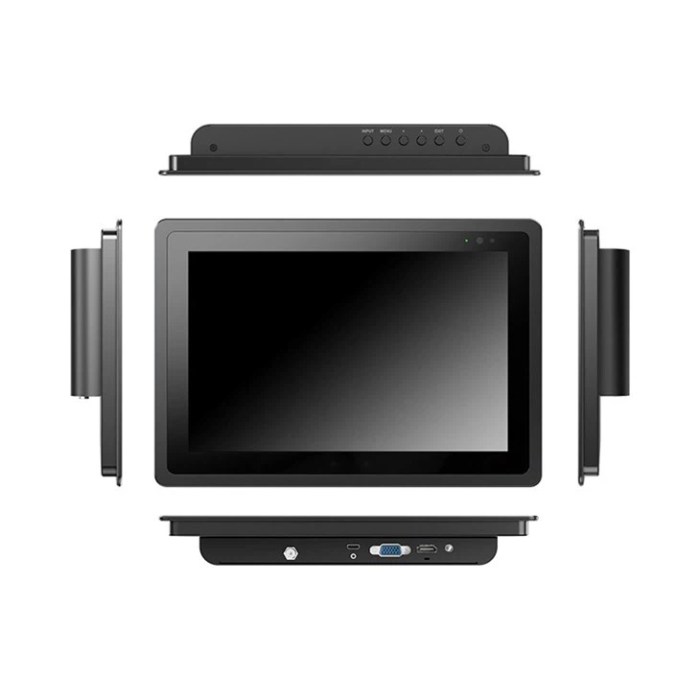
Embedded navigation touchscreens are becoming a staple in modern vehicles, transforming how we navigate our world. These advanced systems blend cutting-edge technology with user-friendly designs, enhancing both driving experience and safety. As they evolve, these touchscreens not only map our journeys but also connect seamlessly with various automotive features, making them an essential component of today’s vehicles.

The journey of navigation systems has come a long way, from simple maps to sophisticated touchscreen interfaces that offer real-time updates and personalized routes. Popular vehicles now come equipped with these systems, showcasing the shift towards smarter, more integrated driving solutions that cater to diverse needs.

Overview of Embedded Navigation Touchscreens

Embedded navigation touchscreens have revolutionized how drivers interact with their vehicles’ navigation systems. This advanced technology utilizes integrated displays that offer real-time navigation, route optimization, and user-friendly interfaces, significantly enhancing the driving experience. Over the years, navigation systems in vehicles have transformed from simple paper maps to sophisticated, interactive touchscreens that provide a wide range of services.The evolution of navigation technology can be traced back to the early days of GPS, where systems were bulky and clunky.

As technology advanced, so did the integration of GPS into vehicles, leading to the development of embedded navigation touchscreens. Popular vehicles today, such as the Tesla Model S, BMW 5 Series, and Ford F-150, feature cutting-edge embedded navigation systems that are not only functional but also aesthetically pleasing.

Benefits of Embedded Navigation Touchscreens

Embedded navigation systems come with numerous advantages over traditional navigation methods. They enhance the driver’s experience and safety in the following ways:

  • Real-time Traffic Updates: Navigating through traffic is easier with real-time updates that help drivers avoid congestion and save time.
  • Voice Commands: Many systems support voice recognition, allowing drivers to keep their hands on the wheel and eyes on the road.
  • Integrated Features: These systems often include integration with smartphones and other devices, providing seamless access to music and calls while driving.

User satisfaction statistics highlight the effectiveness of embedded navigation systems. A recent study showed that 85% of drivers found these systems significantly improved their overall driving experience, emphasizing the importance of these technologies in modern vehicles.

Integration with Automotive Features

Embedded navigation touchscreens are not standalone systems; they connect seamlessly with other vehicle systems. This connectivity enhances functionalities such as climate control and audio systems, allowing drivers to manage their environment with ease.For example, a driver can adjust the climate settings directly from the navigation screen while also controlling the audio system. This integration provides a centralized hub for managing various vehicle functions, making it more convenient than ever.

Additionally, touchscreens play a crucial role in interfacing with hybrid and energy-efficient technologies, enabling drivers to monitor battery usage and energy consumption effectively.

Customization and User Interface Design

The design of the user interface (UI) is vital for the success of navigation systems. An intuitive UI allows drivers to navigate through options quickly and efficiently, ensuring a safer driving experience. Best practices for customizing touchscreen features include:

  • Accessible menus: Ensuring that menus are easy to navigate with minimal distractions.
  • Personalized settings: Allowing drivers to set preferences for routes, music, and voice commands.
  • Visual clarity: Utilizing high-contrast colors and legible fonts to enhance visibility.

Various manufacturers have different approaches to UI design. For instance, Tesla’s interface emphasizes minimalism, while BMW’s design focuses on providing a wealth of information at a glance.

Impact on Automotive Buying and Selling

Embedded navigation systems significantly influence the resale values of vehicles. Vehicles equipped with advanced navigation features tend to have higher resale values, as buyers increasingly view these systems as essential rather than optional.In online automotive auctions, the presence of an embedded navigation system can make a vehicle more appealing to potential buyers, showcasing it as a modern and technologically advanced option.

Research indicates that vehicles with advanced tech features, including navigation, see a 15% higher bid on average compared to their counterparts without such systems.

Maintenance and Repairs of Touchscreens

China Embedded Touchscreen Display Suppliers Factory - Embedded ...

Maintaining embedded navigation systems is crucial for their performance. Common issues might include unresponsive screens or software glitches. A guide for troubleshooting these issues can involve:

  • Resetting the system: Often, a simple reboot can resolve minor glitches.
  • Checking for updates: Regular software updates are essential for optimal performance and security.
  • Cleaning the screen: Proper car detailing around touchscreen interfaces is necessary to prevent damage from dirt and grime.

Regular updates not only enhance functionality but also improve user satisfaction by providing the latest features and fixes.

Future Trends in Embedded Navigation Technology

Emerging technologies are set to influence the future of embedded navigation systems significantly. Innovations like augmented reality (AR) navigation and AI-driven systems promise to further enhance the driving experience. AI can analyze driving patterns to provide personalized suggestions, making navigation more intuitive. Speculatively, we may see touchscreens evolve to include features such as gesture control and voice-activated commands, allowing for a more hands-free experience.

Embedded Navigation in Different Vehicle Categories

The application of embedded navigation touchscreens varies across different vehicle categories, including SUVs, trucks, and vans. Each type has unique requirements and user preferences.For instance, while SUVs may focus on family-friendly features and entertainment options, trucks might prioritize utility-oriented navigation features, such as off-road mapping. Vans often cater to business needs, requiring efficient route planning for deliveries.Specific features that cater to classic cars also emerge, such as retro-themed touchscreens that blend modern technology with vintage aesthetics.

Enhancements Through Mobile Audio and Video Systems

Embedded touchscreens have the potential to integrate seamlessly with mobile audio and video systems, enhancing the travel experience. These systems can provide entertainment options during long trips, allowing passengers to stream videos and music directly from the navigation screen.A layout for a multimedia experience might include a split-screen feature showing navigation on one side and entertainment options on the other, ensuring that all passengers enjoy the journey.

The Role of Embedded Navigation in Motorcycle Technology

Integrating navigation systems into motorcycles presents unique challenges, such as limited space and the need for durable, weather-resistant technology. However, touchscreens can significantly enhance rider safety and navigation.For example, popular motorcycle models like the Honda Gold Wing feature embedded navigation systems that allow riders to see directions clearly without taking their eyes off the road. These systems also provide essential information such as speed, fuel levels, and route planning, making them invaluable for modern motorcyclists.

Final Review

In conclusion, embedded navigation touchscreens are more than just a technological trend; they represent a significant advancement in automotive design and functionality. As we look toward the future, the potential for further integration with AI and other emerging technologies suggests that these systems will continue to enhance our driving experiences. Understanding their impact not only aids in making informed choices as consumers but also highlights the ongoing evolution of automotive technology.

FAQ Section

What is an embedded navigation touchscreen?

An embedded navigation touchscreen is a built-in display within a vehicle that provides navigation and various infotainment features, enhancing the driver’s experience.

How do embedded navigation touchscreens improve driving safety?

They provide real-time navigation updates, minimizing distractions while allowing drivers to access essential information without taking their eyes off the road.

Can embedded navigation touchscreens be updated?

Yes, these systems can be updated regularly, typically via Wi-Fi or USB, ensuring that maps and software remain current for optimal performance.

Are embedded navigation touchscreens user-friendly?

Most systems are designed with intuitive interfaces, making it easy for users to navigate menus, set destinations, and access other features with minimal effort.

What vehicles commonly feature embedded navigation touchscreens?

Many modern cars, SUVs, and trucks come with embedded navigation systems, including models from brands like BMW, Ford, and Honda, among others.

Apple CarPlay vs Android Auto insights summary and comparison

Apple's iPhone 7 PNG Transparent Images | PNG All

Kicking off with Apple CarPlay vs Android Auto insights, we delve into the fascinating world of in-car technology that enhances our driving experience. Both platforms have become essential tools for drivers looking to stay connected while on the road, offering unique features that cater to different user preferences.

In this discussion, we’ll explore the functionalities, compatibility, and user experiences of Apple CarPlay and Android Auto, comparing how each platform integrates with vehicles and the impact they have on automotive technology trends.

Overview of Apple CarPlay and Android Auto

As technology continues to evolve, the integration of smartphones into vehicles has become a standard feature. Two leading systems in this space are Apple CarPlay and Android Auto. Both platforms provide users with seamless access to their mobile devices while driving, but they offer distinct features and functionalities that cater to different user preferences.

Features and Functionalities of Apple CarPlay

Apple CarPlay allows users to connect their iPhones to the vehicle’s infotainment system, providing a familiar interface that mirrors the iPhone’s layout. Key features include:

  • Navigation: Apple Maps is seamlessly integrated, offering voice-guided directions, real-time traffic updates, and the ability to search for nearby points of interest.
  • Messaging: Users can send and receive text messages and access messages through Siri, ensuring minimal distraction while driving.
  • Music and Audio: CarPlay supports various audio apps including Apple Music, Spotify, and more, giving users the freedom to choose their preferred music.
  • Voice Control: Siri integration allows drivers to control various features hands-free.

Features and Functionalities of Android Auto

Android Auto offers similar functionalities, catering to Android users with its own set of features:

  • Navigation: Google Maps is the primary navigation option, providing accurate routes, live traffic updates, and interactive features.
  • Messaging: Users can interact with apps like WhatsApp and Google Messages through voice commands, maintaining focus on the road.
  • Music and Audio: It supports a variety of music services, including YouTube Music and Pandora, ensuring a rich audio experience.
  • Voice Control: Google Assistant allows for voice interactions, enabling hands-free operation of various functions.

Comparison of User Interfaces

The user interfaces of Apple CarPlay and Android Auto are designed to provide a user-friendly experience. CarPlay features a more grid-like layout, similar to the iPhone interface, while Android Auto adopts a card-based interface that organizes information into visually distinct segments. Both systems prioritize ease of access to essential functions, but the choice often comes down to user preference based on their smartphone ecosystem.

Compatibility and Device Integration

When it comes to compatibility, both Apple CarPlay and Android Auto have specific requirements that determine the devices and vehicles they can integrate with.

Compatible Devices for Apple CarPlay

Apple CarPlay is compatible with:

  • iPhone models that are iPhone 5 or later.
  • Vehicles from various manufacturers that have the CarPlay feature included in their infotainment systems.

Devices Supporting Android Auto

Android Auto works with:

  • Android smartphones running Android 5.0 (Lollipop) or later.
  • A wide range of vehicles equipped with Android Auto functionality.

Integration with Various Vehicle Models

Both systems have extensive compatibility with numerous vehicle makes and models. While newer vehicles generally come equipped with both systems, older models may require aftermarket solutions or software updates to enable compatibility. This seamless integration enhances the driving experience, making technology accessible to a broader audience.

User Experience and Performance

User experience plays a crucial role in the adoption of Apple CarPlay and Android Auto, and both platforms strive to provide smooth interactions.

User Experience of Apple CarPlay

Users often commend Apple CarPlay for its intuitive interface and seamless integration with iPhones. The consistency in navigation, music, and communication features contributes to a cohesive driving experience. CarPlay’s voice command functionality is particularly praised for its accuracy and responsiveness.

User Experience of Android Auto

Android Auto is similarly regarded for its effective design and voice recognition capabilities. Users appreciate the real-time updates provided by Google Maps and the flexibility of app options available. The platform excels in customizing the layout and functionalities based on user preferences.

Performance Metrics of Both Systems

In real-world usage, both systems exhibit robust performance, with minimal lag during operation. Apple CarPlay often scores higher in user satisfaction due to its stable ecosystem, while Android Auto is commended for its expansive app support and user-friendly interface. The smoothness of connectivity and responsiveness of controls are critical factors that influence user perceptions of each system.

Key Features Comparison

A deeper comparison of features can help users make informed choices regarding Apple CarPlay and Android Auto.

Navigation Capabilities

Both platforms provide reliable navigation, but the choice between Apple Maps and Google Maps can influence the user experience. Apple Maps offers a more streamlined interface for iPhone users, while Google Maps provides extensive data and features for Android users, including better integration with public transport options.

Audio Streaming Options

In the realm of audio streaming, both systems support a wide range of applications. Apple Music and Spotify are just the beginning, with each platform allowing users to customize their audio preferences according to their tastes.

App Availability and Ecosystem

App availability differs significantly between the two platforms. Apple CarPlay has a more curated selection of applications, focusing on quality and user experience, while Android Auto boasts a larger library of compatible apps due to its open-source nature.

Automotive Buying and Selling Implications

The presence of Apple CarPlay and Android Auto can significantly influence automotive buying decisions.

Impact on Car Buying Decisions

Apple's iPhone 7 PNG Transparent Images | PNG All

Consumers increasingly prioritize the availability of these systems when purchasing vehicles. Many consider them essential for modern connectivity, impacting their preferences for certain car models.

Effects on Vehicle Resale Values

Vehicles equipped with Apple CarPlay and Android Auto typically maintain higher resale values. As technology advances, having these systems can set a vehicle apart in the secondary market.

Consumer Preferences Trends

Current trends indicate a strong preference for multimedia systems that enhance the driving experience. With more consumers valuing connectivity and entertainment options, manufacturers are increasingly incorporating these technologies into their designs.

Car Detailing and Customization

Car detailing can significantly enhance the usability of Apple CarPlay and Android Auto.

Enhancing Use of Apple CarPlay and Android Auto

Detailing services can help maintain the cleanliness and functionality of multimedia systems, ensuring optimal performance and a pleasant user experience.

Customization Options for Integration

There are numerous customization options available for users looking to integrate Apple CarPlay or Android Auto into their vehicles. These options range from simple software updates to full-fledged hardware modifications.

Popular Upgrades for Multimedia Experience

Upgrade options might include enhanced audio systems, larger infotainment screens, or additional connectivity features, all designed to improve the multimedia experience while driving.

Future Trends in Automotive Technology

Emerging trends in automotive technology promise to further enhance the integration of systems like Apple CarPlay and Android Auto.

Emerging Automotive Technology Trends

The future may see advancements in voice recognition, gesture control, and augmented reality features that will reshape how these systems function.

Hybrid and Energy-Efficient Vehicle Developments

As hybrid and electric vehicles gain popularity, the integration of CarPlay and Android Auto into these models is likely to become standard, providing users with the same connectivity and functionality.

Predictions for Future Multimedia Features

Innovative multimedia features, such as improved interaction with smart home devices and enhanced app capabilities, are anticipated to shape future developments in automotive technology.

Mobile Audio and Video Considerations

The integration of mobile audio and video systems with Apple CarPlay and Android Auto adds another layer of functionality.

Integration of Mobile Audio with Apple CarPlay

Apple CarPlay allows for direct access to various audio applications, enhancing the listening experience within the car. Users can enjoy podcasts, audiobooks, and streaming services with minimal distraction.

Enhancements of Mobile Audio with Android Auto

Android Auto enhances mobile audio functionalities by providing users access to a wide range of audio apps, which can be controlled seamlessly through voice commands or the vehicle’s interface.

Selecting Compatible Audio Equipment

When choosing audio equipment for either platform, it’s important to consider compatibility with the desired features, sound quality, and ease of integration into the vehicle’s existing system.

Automotive Repairs and Maintenance

Apple CarPlay and Android Auto can assist in vehicle maintenance in several ways.

Assistance in Car Maintenance Notifications

Both systems provide notifications and alerts related to maintenance needs, helping drivers keep track of service requirements and ensuring their vehicles remain in top condition.

Common Integration Issues and Repairs

Users may face common issues such as connectivity problems or software glitches. Understanding these issues can help in diagnosing and rectifying them effectively.

Troubleshooting Integration Problems

Guidance on troubleshooting can empower users to resolve common integration problems independently, enhancing their overall experience with these systems.

Classic Cars and Modern Technology

Integrating modern technology into classic cars poses unique challenges and benefits.

Challenges of Retrofitting Classic Cars

Retrofitting classic cars with Apple CarPlay and Android Auto can present challenges such as compatibility with older hardware and the need for advanced wiring or modifications.

Benefits of Integrating Modern Technology

Incorporating modern technology into classic vehicles can enhance safety, usability, and overall driving enjoyment, making these cars more appealing to enthusiasts and collectors.

Successful Classic Car Restorations

Real-world examples of successful integrations showcase how classic cars can be upgraded to include contemporary infotainment systems while preserving their vintage charm.

Insights on SUVs, Trucks, and Vans

The application of Apple CarPlay and Android Auto in larger vehicles like SUVs, trucks, and vans addresses specific user needs.

Comparison in Larger Vehicles

Apple CarPlay and Android Auto offer expansive interfaces that are particularly useful in larger vehicles, allowing for easier access to controls and navigation features without the need to take eyes off the road.

Multimedia Needs of Van Owners

Van owners often prioritize entertainment options for passengers. Both systems cater to these needs by enabling seamless access to streaming services, navigation, and communication tools.

Consumer Preferences in Larger Vehicle Types

Consumer preferences continue to evolve, with a growing demand for advanced multimedia systems in larger vehicle types. This trend is reflected in manufacturers increasingly including these technologies as standard features in new SUV and truck models.

Closing Notes

In conclusion, the debate between Apple CarPlay and Android Auto is not just about preference; it’s about how these systems shape our driving experience and influence future automotive trends. As technology continues to evolve, understanding these platforms will aid consumers in making informed decisions, ensuring that they choose the multimedia system that best fits their needs.

Questions Often Asked

What devices are compatible with Apple CarPlay?

Apple CarPlay is compatible with iPhone models 5 and later that run iOS 7.1 or higher.

What devices support Android Auto?

Android Auto works with Android phones running version 5.0 (Lollipop) or later.

Can I use CarPlay or Android Auto wirelessly?

Yes, some vehicles support wireless connections for both systems, but compatibility varies by vehicle model.

Do I need a special app for CarPlay or Android Auto?

Both systems offer built-in functionality through their respective platforms, so no extra app is needed, but certain apps may enhance your experience.

How do these systems affect vehicle resale value?

Vehicles equipped with either CarPlay or Android Auto often retain higher resale values due to consumer demand for modern technology.

hybrid vs EV investment analysis insights and trends

EV vs Hybrid - Which is a better buy today? - Page 3 - Team-BHP

hybrid vs EV investment analysis sets the stage for this enthralling narrative, offering readers a glimpse into a story that is rich in detail and brimming with originality from the outset.

As the automotive industry evolves, the debate between hybrid and electric vehicles intensifies, with both options presenting unique advantages and challenges. Understanding the fundamental differences, market dynamics, and investment opportunities is crucial for anyone looking to navigate this rapidly changing landscape.

Overview of Hybrid and Electric Vehicles

The automotive industry is undergoing a significant transformation with the rise of hybrid and electric vehicles (EVs). These vehicles not only promise to reduce our dependence on fossil fuels but also aim to lower greenhouse gas emissions. Understanding the fundamental differences between them is crucial for consumers and investors alike.Hybrid vehicles combine a traditional internal combustion engine with an electric motor, allowing them to run on either power source or a combination of both.

In contrast, electric vehicles operate solely on electricity stored in batteries, producing zero tailpipe emissions. While hybrids can be more convenient for longer trips due to their gasoline engines, EVs offer a cleaner alternative with no emissions during operation.The environmental impact of these vehicles can be substantial. Studies show that electric vehicles can reduce CO2 emissions by up to 50% compared to gasoline cars, depending on the energy sources used for electricity generation.

However, the production of batteries for EVs raises concerns about mining practices and battery disposal. In terms of sales trends, the market has seen a significant shift over the past decade. For instance, EV sales have increased by over 200% since 2010, while hybrids have also seen solid growth, albeit at a slower pace. As of 2022, hybrids accounted for approximately 5% of total vehicle sales, while EVs comprised around 7%, reflecting a growing consumer preference for greener options.

Investment Opportunities in Hybrid and Electric Vehicles

Investing in the automotive industry, specifically in hybrids and electric vehicles, presents a range of opportunities and risks. Key players in this market include established automakers like Tesla, Toyota, and Ford, as well as emerging companies such as Rivian and Lucid Motors. These companies are racing to innovate and capture market share, making them essential candidates for potential investors.The financial performance of leading manufacturers has been compelling, with many reporting significant revenue growth.

For example, Tesla’s revenue surged by over 70% year-on-year in 2021, positioning it as a leader in the electric vehicle sector. In contrast, traditional manufacturers like Toyota have also reported strong hybrid sales, showcasing a diverse approach to electrification.However, investing in hybrids versus electric vehicles comes with different risks and rewards. While hybrids may offer lower upfront costs and proven technology, electric vehicles often promise higher long-term growth potential due to the global shift towards sustainability.

Market Trends Influencing Hybrid and EV Investments

Government regulations play a significant role in shaping the investment landscape for hybrids and EVs. Many countries are setting ambitious targets for reducing carbon emissions, with incentives for electric vehicle purchases, which can drive demand. For instance, the European Union aims to cut greenhouse gas emissions by at least 55% by 2030, pushing for more electric vehicles on the road.Consumer preferences are also evolving, influencing the automotive market’s direction.

A recent survey found that nearly 70% of consumers are considering an electric vehicle for their next purchase, driven by environmental concerns and rising fuel prices. This shift could lead to increased investments in EV infrastructure, such as charging stations and battery production.Technological advancements are another key factor driving the hybrid and EV sectors. Innovations in battery technology, such as solid-state batteries, promise to enhance vehicle range and reduce charging times, making electric vehicles more appealing to consumers.

Additionally, improvements in manufacturing processes are helping to lower production costs, which can positively impact pricing strategies.

Automotive Buying and Selling Dynamics

EV vs Hybrid - Which is a better buy today? - Page 3 - Team-BHP

Purchasing hybrid or electric vehicles involves distinct advantages that can benefit buyers. For instance, many hybrids and EVs come equipped with advanced technologies that enhance driving experience and safety. Additionally, potential savings on fuel and maintenance costs make these vehicles an attractive option for many consumers.The auction market for hybrid and electric vehicles is rapidly changing, providing new avenues for buying and selling.

With the growing demand for these vehicles, auctions are becoming increasingly popular for finding deals on used models. To illustrate the resale value dynamics between hybrids and EVs, the following table compares their depreciation rates over five years:

Vehicle Type Average Resale Value After 5 Years Depreciation Rate
Hybrid $15,000 40%
Electric Vehicle $12,000 50%

Maintenance and Customization Considerations

Maintenance for hybrids and electric vehicles differs significantly. Hybrids generally require standard maintenance similar to traditional vehicles, including oil changes and brake services. Conversely, electric vehicles have fewer moving parts, which can result in lower maintenance costs. However, battery health management is crucial, as battery replacements can be expensive.Customization options for hybrid and EV owners are expanding, with many aftermarket parts available to enhance performance or aesthetics.

Owners often seek upgrades for their audio systems, charging ports, and even exterior modifications that align with their eco-friendly values.Best practices for car detailing focus on maintaining the aesthetics and performance of both hybrids and EVs. Regular washing, protecting the paint with ceramic coatings, and ensuring the interior remains clean can significantly prolong the vehicle’s lifespan.

Classic Cars vs. Modern Hybrid and EV Trends

When considering investment potential, classic cars and modern hybrids/EVs present contrasting opportunities. Classic cars can appreciate over time, driven by nostalgia and rarity, while hybrids and EVs are positioned for growth in a market increasingly focused on sustainability.The retrofitting trend is gaining traction, where classic cars are being modernized with hybrid or electric technology. This approach not only preserves the vehicle’s essence but also enhances its environmental performance.

Several successful stories highlight this trend, such as the conversion of a vintage VW Beetle into an electric vehicle, showcasing how timeless designs can adapt to modern expectations and regulations.

Automotive Accessories and Technology

In hybrid and electric vehicles, mobile audio and video technology play a critical role in enhancing the driving experience. Many of these vehicles come equipped with advanced infotainment systems that support smartphone integration, allowing drivers access to navigation, music, and more through a central interface.The automotive technology landscape is rapidly evolving, with features designed to benefit hybrid and EV drivers.

Innovations such as regenerative braking systems, advanced driver-assistance systems (ADAS), and over-the-air software updates are becoming standard in many models.For those looking to enhance their hybrid or electric vehicle, the following list Artikels must-have accessories:

  • Portable charging stations for on-the-go convenience
  • Smartphone mounts for navigation and hands-free calling
  • Weather-resistant floor mats to protect interiors
  • Advanced audio systems for a premium listening experience
  • Dash cams for added security and peace of mind

Other Vehicle Types Related to Hybrid and EV Investments

The hybrid and electric market is not limited to passenger cars; SUVs, trucks, and vans are increasingly adopting these technologies. The demand for larger, more versatile vehicles powered by clean technology is rising, with manufacturers responding with electric and hybrid options to cater to families and businesses.Emerging trends in hybrid and electric motorcycles are also noteworthy. Companies are developing electric bikes that offer an eco-friendly alternative for riders, making them a growing segment within the broader market.Market acceptance varies across different vehicle types, with consumers showing a strong preference for electric SUVs compared to traditional gas-powered models.

As the market continues to evolve, these trends will significantly impact investment dynamics in the automotive sector.

End of Discussion

In conclusion, the hybrid vs EV investment analysis illuminates the complexities and potential rewards of investing in these vehicles. As consumer preferences shift and technology advances, both hybrids and EVs will continue to shape the future of transportation, making informed investment decisions more important than ever.

FAQ Guide

What are the main differences between hybrids and EVs?

Hybrids combine a gasoline engine with an electric motor, while EVs run solely on electricity.

Are hybrids more environmentally friendly than EVs?

Generally, EVs are considered more environmentally friendly since they produce zero emissions during operation.

What are the risks associated with investing in hybrid and EV stocks?

Risks include market volatility, changing regulations, and the rapid pace of technological advancements that could affect current models.

How do government incentives impact hybrid and EV investments?

Government incentives can enhance the attractiveness of hybrids and EVs, potentially boosting sales and investment returns.

What trends should investors watch in the hybrid and EV market?

Investors should keep an eye on consumer preferences, technological advancements, and regulatory changes that could influence market dynamics.

⚡ Hybrid & Energy‑Efficient Revolutionizing Mobility

AI Emoji Generator

As ⚡ Hybrid & Energy‑Efficient takes center stage, this opening passage beckons readers into a world of innovative automotive technology that blends performance with environmental consciousness. The rise of hybrid vehicles is not just a trend; it represents a significant shift in how we approach transportation, focusing on sustainability without sacrificing the driving experience.

From the advancements in energy-efficient engines to the growing market demand for these vehicles, it’s clear that hybrid technology is redefining the automotive landscape. Not only do hybrid vehicles offer reduced fuel consumption, but they also contribute to a cleaner environment, making them a compelling choice for modern drivers.

Hybrid Vehicles Overview

AI Emoji Generator

Hybrid vehicles are increasingly becoming a popular choice among consumers, blending traditional internal combustion engines with electric propulsion systems. This combination allows for greater fuel efficiency and reduced emissions, making them an attractive alternative to conventional cars. The benefits of hybrid vehicles extend beyond mere fuel savings; they also provide a smoother driving experience and lower environmental impact.Technological advancements have played a significant role in the evolution of hybrid vehicles.

Innovations such as advanced battery technology, improved electric motors, and sophisticated energy management systems enhance the overall energy efficiency of these vehicles. Compared to traditional gasoline-powered vehicles, hybrids produce fewer pollutants, contributing to cleaner air and a reduction in greenhouse gas emissions.

Energy-Efficient Automotive Technologies

Energy-efficient automotive technologies are critical in enhancing the efficiency of modern vehicles. Among these technologies are:

  • Start-Stop Systems: These systems automatically shut off the engine when the vehicle is stationary, such as at traffic lights, and restart it when the driver releases the brake. This reduces idle time and saves fuel.
  • Turbocharging: Turbochargers allow smaller engines to produce more power by forcing more air into the combustion chamber, improving efficiency without sacrificing performance.
  • Direct Fuel Injection: This technology delivers fuel directly into the combustion chamber at high pressure, increasing fuel efficiency and reducing emissions.

Another essential feature of hybrid vehicles is regenerative braking. This system captures kinetic energy produced during braking and converts it into electrical energy, which is then stored in the battery for later use. This not only improves overall energy efficiency but also extends the life of the braking system.

Automotive Buying and Selling Trends

Currently, there is a noticeable trend toward buying hybrid and energy-efficient vehicles. Consumers are increasingly prioritizing sustainability and fuel economy, leading to a rise in market demand for hybrid cars. According to recent data, hybrid vehicle sales have seen significant growth, reflecting a shift in consumer preferences.Market demand for hybrid cars is driven by a combination of rising fuel prices, environmental awareness, and government incentives aimed at reducing emissions.

Additionally, resale values of hybrid vehicles tend to be more favorable compared to traditional cars, owing to their perceived long-term savings and lower operational costs.

Auctions for Hybrid and Energy-Efficient Cars

The dynamics of auctions for hybrid vehicles are unique and can offer significant advantages for buyers. Hybrid cars often appear at auctions due to their increasing popularity, giving buyers the chance to acquire them at competitive prices. Purchasing hybrid cars at auctions can be beneficial as these vehicles often come with a range of features and technology not found in older, traditional cars.When participating in auctions for energy-efficient vehicles, it’s essential to follow best practices, including thorough research on the vehicle’s condition, understanding auction rules, and setting a budget to avoid overbidding.

Car Detailing and Customization for Hybrids

Specialized detailing techniques are essential for maintaining the aesthetic appeal of hybrid vehicles. These techniques often include eco-friendly cleaning products that are gentle on the environment and the vehicle’s surfaces. Customizing energy-efficient cars can also enhance their performance and appearance, making them more appealing to owners.Products such as high-efficiency tires, aerodynamic kits, and advanced lighting systems can significantly enhance both the performance and the visual impact of hybrids.

Attention to detail in the customization process can provide a unique touch while maintaining the vehicle’s energy efficiency.

Classic Cars and Energy Efficiency

When comparing classic cars to modern hybrids, there is a stark difference in terms of efficiency. While classic cars typically have lower fuel efficiency and higher emissions, advancements in hybrid technology present opportunities for retrofitting these vehicles. The retrofitting process involves integrating hybrid components into classic cars, which can significantly improve their fuel economy and reduce their environmental impact.Successful conversions of classic cars to hybrid models have been documented, showcasing how beloved vintage vehicles can benefit from modern technology while preserving their charm.

Mobile Audio and Video Integration in Hybrids

The latest mobile audio and video technologies available for hybrid vehicles are designed to enhance the in-car experience without compromising energy efficiency. Features such as Bluetooth connectivity, advanced infotainment systems, and high-quality audio equipment are increasingly common in modern hybrids.Proper installation of audio systems in energy-efficient cars requires careful consideration of both power consumption and sound quality. Enhancing the in-car experience can be achieved through strategic placement of speakers and the use of efficient amplifiers, ensuring that the vehicle remains energy-efficient while providing an enjoyable driving experience.

Motorcycle Innovations in Energy Efficiency

Emerging trends in hybrid motorcycles highlight the growing interest in energy-efficient two-wheeled vehicles. Manufacturers are developing models that blend traditional engines with electric propulsion, resulting in motorcycles that offer improved fuel efficiency and reduced emissions.Examples of energy-efficient motorcycles currently on the market include models that utilize advanced battery technology and lightweight materials to enhance performance while minimizing environmental impact. Hybrid technology is transforming the motorcycle industry, making it possible for riders to enjoy the thrill of motorcycling while being more eco-conscious.

Automotive Repairs for Hybrid and Energy-Efficient Cars

Maintaining and repairing hybrid vehicles requires specific best practices, as these cars often incorporate complex systems that differ from traditional vehicles. Common repairs specific to hybrid systems include battery replacement, electric motor maintenance, and software updates for energy management systems.Finding specialized technicians who are experienced in hybrid maintenance is crucial. Many automotive repair shops now offer training programs for technicians to ensure they are equipped to handle the unique needs of hybrid and energy-efficient vehicles.

SUVs, Trucks, Vans: Energy Efficiency Focus

Different hybrid models are available across various categories, including SUVs, trucks, and vans. These vehicles are designed to provide the utility and space that drivers need while also focusing on energy efficiency. Energy efficiency ratings for these vehicle categories vary, but many modern hybrids are achieving impressive fuel economy figures, often exceeding those of their traditional counterparts. Tips for maximizing fuel economy in larger vehicles include regular maintenance, proper tire inflation, and smooth driving habits.

Final Review

In summary, the exploration of ⚡ Hybrid & Energy‑Efficient vehicles reveals a promising future for both consumers and the planet. By embracing these technologies, we not only enhance our driving experience but also take significant strides towards sustainable transportation. As the automotive industry continues to innovate, staying informed about hybrid advancements will be essential for anyone looking to make eco-friendly choices.

General Inquiries

What are hybrid vehicles?

Hybrid vehicles combine a traditional internal combustion engine with an electric motor to improve fuel efficiency and reduce emissions.

How do hybrid vehicles impact the environment?

They typically produce fewer emissions compared to conventional vehicles, contributing to a reduction in air pollution and greenhouse gases.

What is regenerative braking?

Regenerative braking is a technology that captures energy typically lost during braking and uses it to recharge the vehicle’s battery.

Are hybrid vehicles more expensive to maintain?

Maintenance costs can vary, but many hybrid vehicles benefit from less wear on the engine, which can lead to lower long-term costs.

What are the best practices for buying a hybrid vehicle?

Research the models, consider your driving habits, check for incentives, and ensure proper inspections before purchasing.